What Is Local Link Building
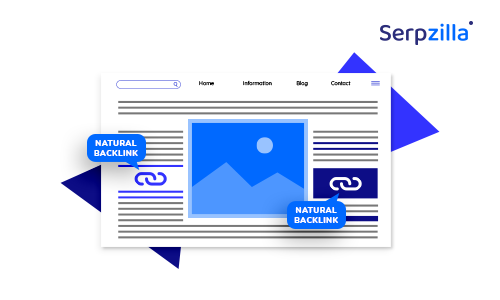
Local link building is the practice of getting backlinks from websites that are relevant to a specific city, region, or service area your business targets. The goal is to strengthen your visibility for location-based searches (like “dentist in Austin” or “best accountant in Manchester”).
What makes local links different from regular topical backlinks is geography.
- A standard niche-relevant backlink helps Google understand what your site is about
- A local backlink helps Google understand where your business is relevant and which local audience it should be associated with
Why Local Links Matter for SEO and Business Visibility
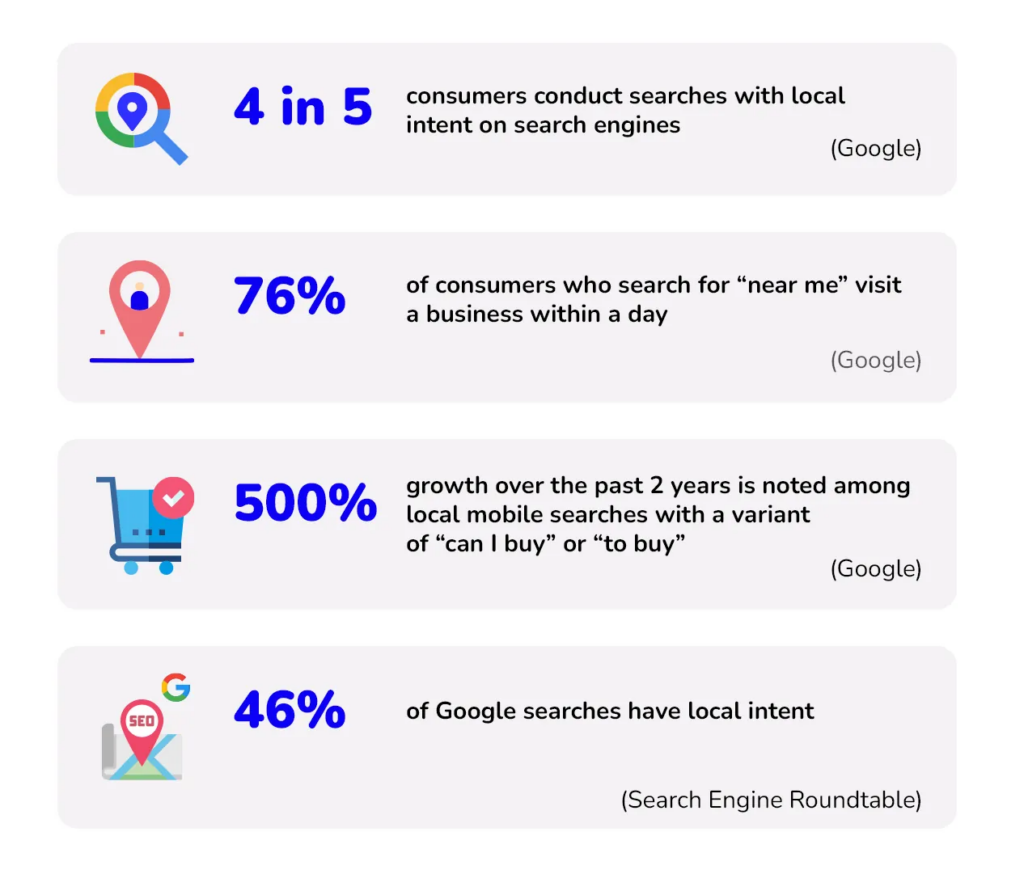
Local links help search engines understand two things at once:
- What your business does
- Where it’s relevant
In Google’s local systems, visibility is shaped by relevance, distance, and prominence, and prominence is influenced in part by signals such as links and reviews. Backlinks from trusted local sources can support local rankings directly, not just your general SEO.
| Signal | Benefits for classic local SEO | Benefits for AI search |
| Local backlinks | Support prominence and local trust signals. Links from regional publications, associations, and local sites can strengthen visibility. | Help validate that your business is recognized by relevant external sources and belongs in a local context. |
| Accurate business data | Helps Google match your business to relevant local queries. Complete and detailed business info improves relevance. | AI systems need precise facts and up-to-date profile information to interpret and present your business correctly. |
| Clear local content | Reinforces service areas, locations, and business scope on your own site. | Gives AI features the textual context they need. |
| Authority and trust | Strong reputation signals improve prominence and increase confidence in your business. | AI-driven results are built to surface relevant, reliable sources, so trust and authority become even more important when the system is summarizing businesses and choices. |
| User experience | Helps convert local visitors once they land on your site. | Google recommends a strong page experience for both classic and AI search visits, and says clicks from AI Overviews tend to be higher quality. |
Local Backlinks vs. Local Citations: What’s the Real Difference?
Local backlinks and local citations are often mentioned together, but they are not the same thing.
A local backlink is a clickable link from another website to yours. It helps pass authority, supports rankings, and can bring referral traffic. For example, if a local news site writes about your business and links to your website, that is a backlink.
A local citation is any mention of your business details online, usually your name, address, and phone number. It may include a link, but it does not have to. A listing in a business directory with your contact details is a citation first and a backlink second, if it also links.
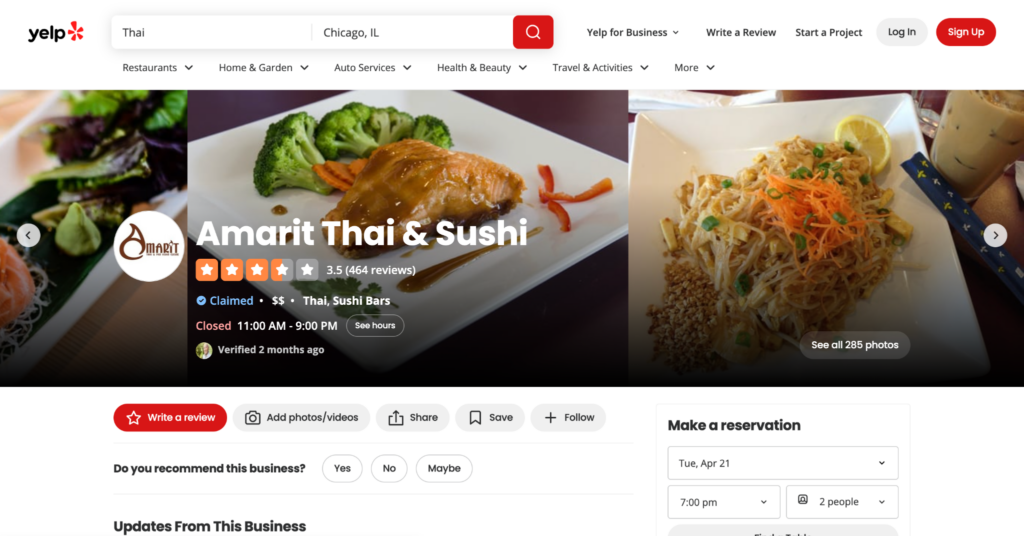
A local citation on Yelp.
“A citation proves you exist in a local market. A backlink helps you compete in it.”
Sergei Pankov
The best local SEO strategy uses citations to establish a solid local footprint, and backlinks to build visibility and competitive strength.
What Makes a Strong Local Backlink?
Topical relevance
Contextual links are the first order of the day, regardless of the geography or region you’re located in or targeting. All the links you get have to be from pages that are thematically relevant to your content. Make sure the linking page talks about your industry, if not specifically about your brand or product. Needless to say, the more relevant a link is, the more Google will value it.
Suppose you are a fruit wholesaler and you want a link to a category or product page selling apples. You can try to get a backlink from a page that talks about:
- How farmers grow apples
- A recipe for apple pie
- Different types of apples available in the market
- The nutritional value of apples
You can also use a technique called barnacle SEO: this involves leveraging the rankings of other sites to increase citations and brand awareness of your site. Simply put, you can create your business profile on prominent social media sites, forums as well as other sites in your industry that tend to rank for queries related to your business with the aim of getting visitors to come to your site through these intermediary listings.
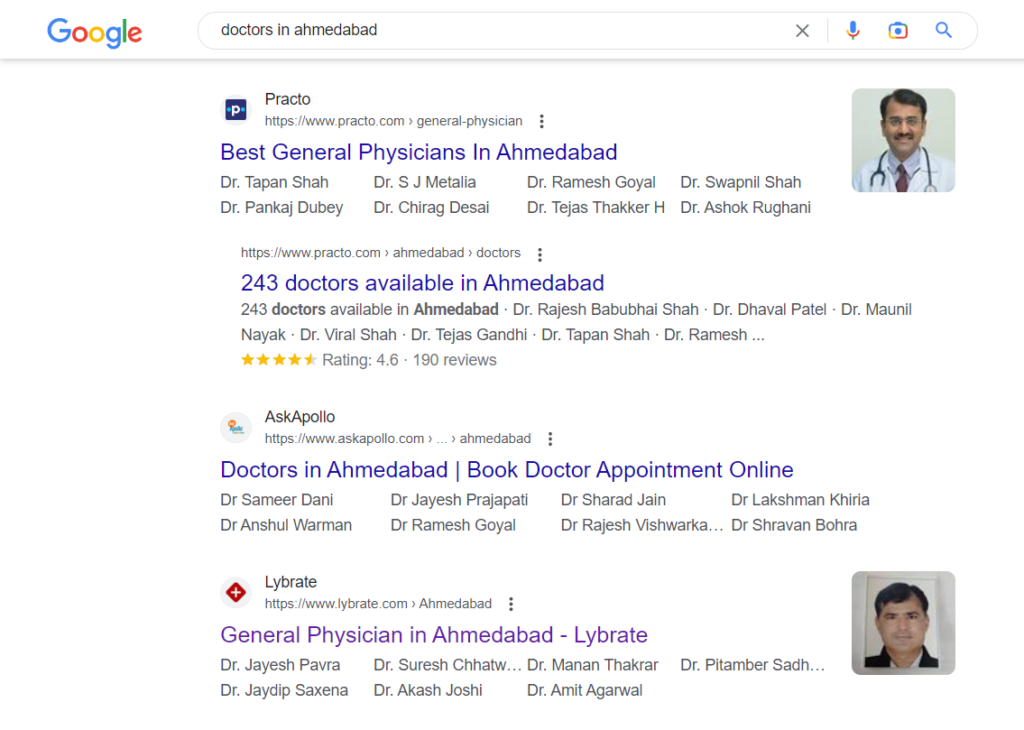
For example, there are websites that cater exclusively to a specific professional service industry, such as lawyers, doctors and real estate agents.
Local relevance
Of course, you want to be ranked high for all queries originating in and looking for your services in the region you cater to. If you’re a chartered accountant practicing in New Delhi, you want to be ranked #1 for queries like “tax consultants in Delhi”.
You’ll need to buy or earn links from sites that people living in (or touring) Delhi would go to for local information. These include local newspapers, blogs, and magazines.
Unless you operate and target a very large city or geographic region, you’ll find that there aren’t many such local sites from which you can get backlinks. However, the upside is that the same sites rank for multiple queries, and once you get links from them, your rankings will quickly rise.
You can quickly find business directories and industry associations in your region with a few variations of location-specific Google searches.
- [location] business listings
- [location] directory
- [location] classifieds
- [business type keyword] business listings [location]
- [business type keyword] directory [location]
- [location] [business type keyword] alliance
- [location] [business type keyword] association
- [location] [business type keyword] council
Feel free to join (and ask for links from) organizations that are not specifically about your product or industry, but general business associations for SMBs or startups (such as the Chamber of Commerce). They might not have thematic relevance, but will definitely have high authority and local relevance.
If you don’t find many industry associations in the neighborhood or town you’re targeting, you can widen your net and look for those at the district, state, or country level. You can also build brand partnerships and exchange backlinks with other members of such associations. This way,
- Your backlink profile won’t look unnatural.
- You won’t need to link to (and ask for links from) competitors.
Finally, you could sponsor a local event or two, donate to a local charity, or take part in community work to find good, permanent opportunities for local links and citations.
Authority and domain trust
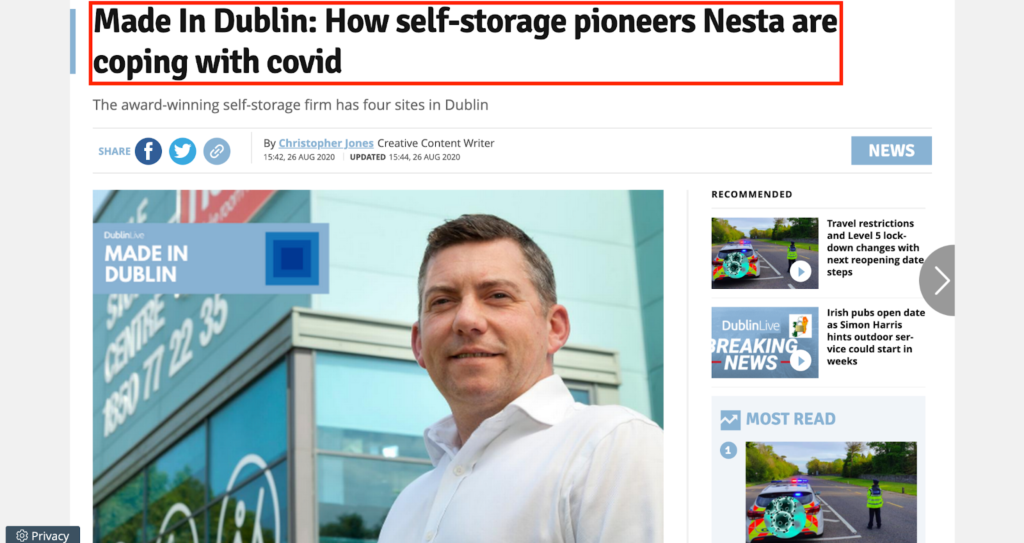
The more references, citations, brand mentions, and links you get from popular, high-traffic sites, the more trust and authority Google gives your site. Once again, the best locally-relevant links you can get are from widely known media publications and blogs operating in that region. This is a great way to kick-start your digital PR efforts.
Referral value
A strong local backlink should also have a real chance of sending qualified visitors to your site. A link placed on a page that local people actually read, trust, and use can bring in visitors who are much closer to taking action. This could mean booking a service, calling your business, requesting a quote, or visiting your location.
For that reason, it’s worth looking beyond authority metrics alone. Ask yourself:
- Does this site have a real local audience?
- Would someone reading this page realistically click through to my business?
- Does the page match the intent of a person who might need my service?
For example, if you run a dental clinic in Austin, a backlink from a local parenting blog’s guide to family health providers may bring more valuable traffic than a generic high-metric site with no local audience or service relevance. In the same way, a mention on a city events website, neighborhood blog, or trusted local publication can drive both visibility and leads if the audience overlaps with your customer base.
7 Local Link Building Strategies for Local Businesses
1. Google Business Profile optimization
Google My Business is a powerful tool for local SEO. It is also free, so it would be a huge mistake not to take every advantage of what it offers.
For instance, according to SEO specialists, surveyed by Whitespark, the most significant ranking factors on Google’s local pack include the primary Google Business Profile category, keywords in the Google Business Profile title, the proximity of address to the point of search.
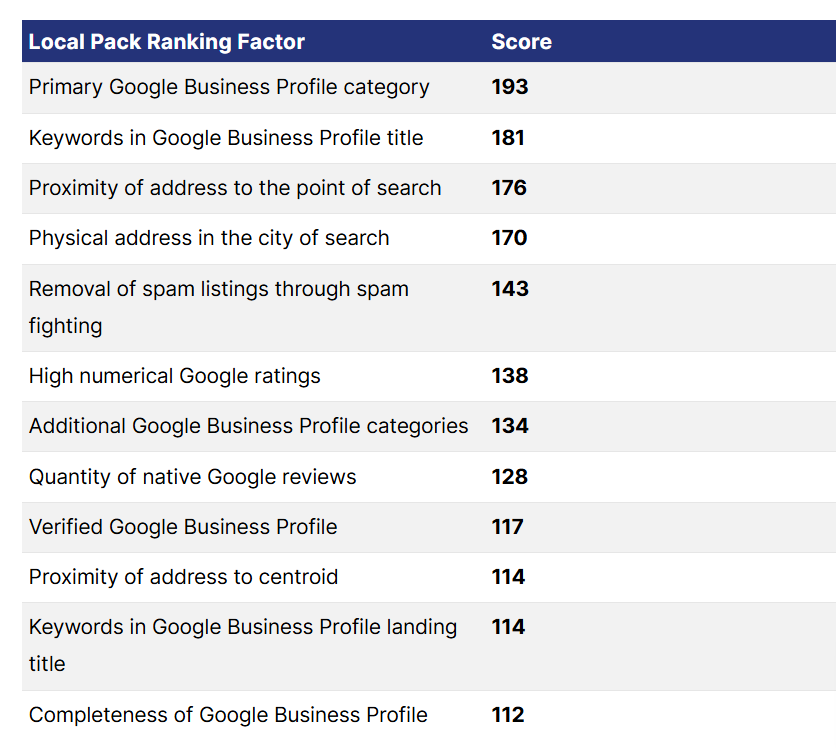
You have to make sure that you have a complete GMB profile with all descriptions and information optimized for meaningful keywords. Do not neglect optional GMB categories as they also bring in some good ranking score points.
Google My Business offers quite a few opportunities to improve your listing, so make sure you check them all:
- Showcase your business with images and videos to attract more customers.
- Share news, promotions, events, and other updates directly on your GMB profile. It will prove that your business is up and running and engage customers.
- Add a link to your website! It’s a valuable backlink
- Include any additional links such as your business’s social media.
- For many businesses, it is possible to fill out specific sections, such as menu, if you’re a HoReCa business, or list of services. Make sure you do it if it applies to you.
- Enable direct messaging so that your customers could interact with you immediately once they have found your GMB profile without having to make those few extra clicks to your website or social media pages.
2. Local directories
Local business directories are widely popular among customers as they aggregate all information in one place. They also usually have ratings, comparisons, reviews, editorial articles and ‘best’ lists, which greatly help customers to make a choice when information is too abundant.
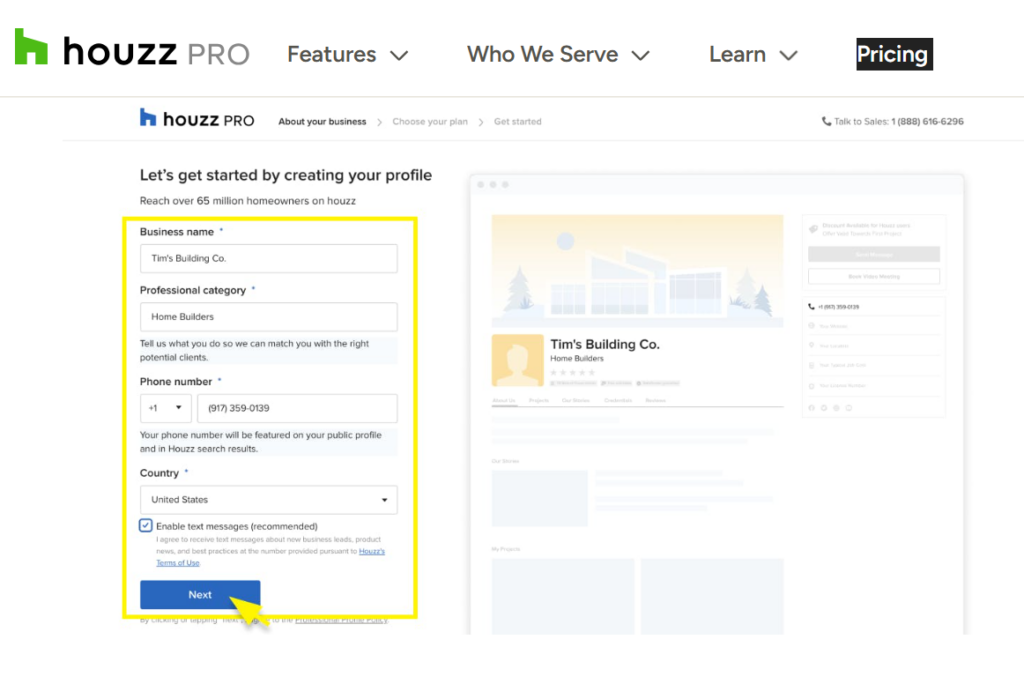
They can be widely generic, such as Google Maps or Apple Maps, Facebook or Instagram, location-oriented such as TripAdvisor and Foursquare, as well as niche-oriented like Houzz or FindLaw.
It is definitely worth your while to check as many of them as possible. Here are some advantages of using local business directories:
- Most of them have very high domain authority and massive traffic
- Most of them are free to use but also have paid promotional options you can capitalize
- They have options that will boost your visibility and rankings, such as reviews
- Many regularly create various review lists, round-ups and ‘top best’ lists which will give you an additional backlink if you manage to get on one, and a huge recommendation perk.
- Many provide opportunities for user-generated content which also can get you a number of organic backlinks and good referral traffic.
3. Local partnerships
Although this type of link building is on the expensive side sometimes, especially when it comes to sponsorship, the payoff can be really great. This type of local partnership works great if you want to establish yourself as a valued, well-known and respected member of the local community.
Shopping locally and supporting local vendors has been one of the most cherished values for many communities, so, when partnering with locals, you will be working with a very receptive audience.
What you can do:
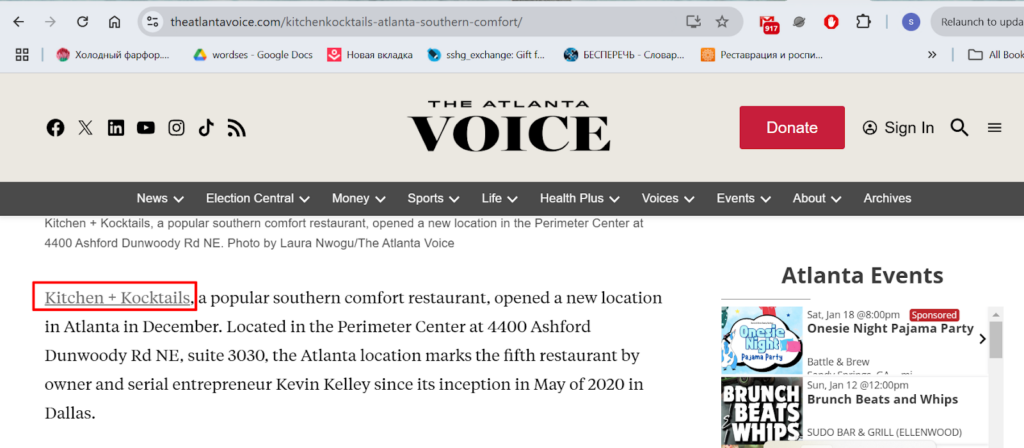
- Create news-worthy events and pitch them to local news and media outlets. They tend to have high DA sites even if they’re on the smaller side, and a high level of local audience trust. Also, even though these links are time-stamped, they tend to stay evergreen.
- Partner with local influencer blogs. This could be as cheap as offering a freebie in exchange for an unpacking video with a backlink or a review. Local influencers who blog about places, events and their experiences in your area are a gold mine. They usually have a smaller, but very engaged and loyal following and will be happy to showcase your place.
- Sponsor local events and charities. Although it may not have a huge ROI, it is always excellent PR. And good PR always pays off in the long run. A reputation of someone who’s willing to support local initiatives and take part in a community life is a valuable perk. Often, it can be a decisive factor why people would choose you over your competition.
- Partner with schools and universities. You can offer internship programs, offer student discounts, and sponsor their events. A backlink from an .edu domain is as valuable in your backlink profile as it gets. Besides, such partnership allow you to tap into the parent and student community who are usually a tight-knit loyal group tending to support their own. So, counting as one of their own matters a lot.
4. Sponsorships and community support
Sponsoring local events, initiatives, and organizations is a great way to earn local backlinks that are hard to fake and easy to justify. Unlike many link building tactics, this one is tied to real-world activity.
When you support something happening in your area, your business can often be featured on the organizer’s website, partner pages, local press coverage, event listings, or recap articles. These links tend to be highly relevant locally because they connect your brand to a real place, real audience, and real community presence.
Here are some common opportunities:
- Sponsor a local conference, meetup, fair, or festival
- Support a school, university, or nonprofit initiative
- Donate prizes for raffles, competitions, or charity events
- Back a neighborhood sports team or cultural program
- Take part in city cleanups, volunteer drives, or seasonal campaigns
- Partner with local coworking spaces, incubators, or business communities
- Fund scholarships, grants, or small community programs
- Provide free services, products, or venue support for local events
The key is to choose opportunities that make sense for your market and audience.
5. Local media and news sites
Local media links are some of the strongest assets in a local backlink profile. They combine authority, local relevance, and real audience reach.
These links are especially strong when they come from stories with a real local angle. This could be a business launch, a new location, a community initiative, a partnership, an event sponsorship, original local data, or expert commentary tied to something happening in the area. The key is is to create something locally relevant enough to deserve coverage.
Here are a few angles that work:
- Opening a new office, store, or service area
- Launching a community project or local partnership
- Sponsoring an event, fundraiser, or nonprofit initiative
- Sharing original data or trends from your local market
- Serving as a local expert on industry changes that affect the region
- Running a customer story with a strong local hook
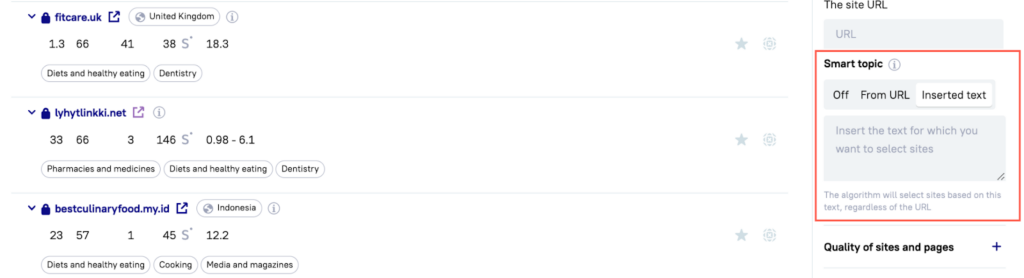
Pro tip: Serpzilla can make this process much easier than manual digging through local sites and hoping something looks local enough. With Serpzilla, you can narrow the pool by topic, language, traffic, and placement type to find news-style or editorial sites that are actually relevant to your market.
On top of it, you can use the Smart Topic feature to match your page to thematically relevant donor pages.
6. Community platforms, forums, and subreddits
Community platforms, forums, and subreddits can be surprisingly useful for local link building, but not in the old-school SEO sense.
You’re usually not there for powerful backlinks. You’re there because this is where local conversations already happen. People usually:
- Ask for recommendations
- Compare services
- Complain
- Look for trusted providers
- Share experiences
If your business shows up in those discussions naturally, it’s a huge advantage. Local subreddits, neighborhood forums, Facebook groups, and Q&A threads can drive discovery, branded searches, citations, and some very relevant referral traffic.
“The trick is not to act like a marketer. Show up like a real local business owner: answer questions, be useful, share context, and only drop a link when it genuinely helps.”
— Sergei Pankov
7. Competitor backlink gaps
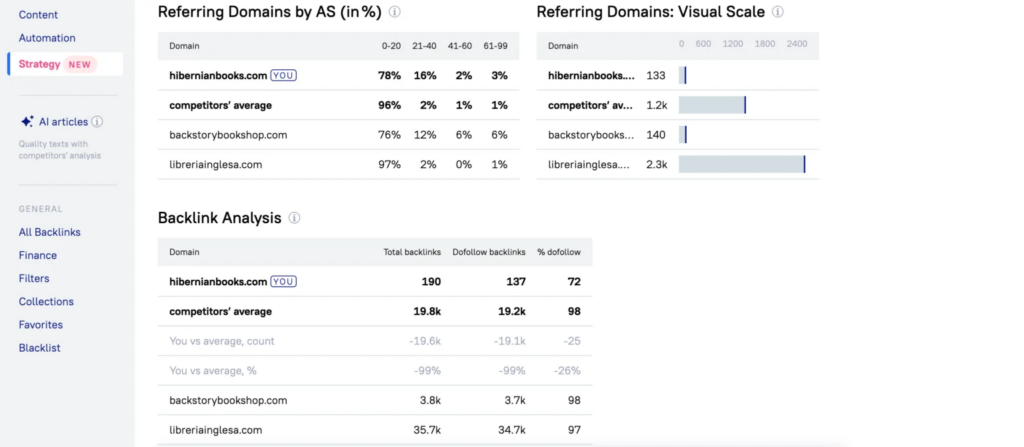
One of the smartest ways to find local link opportunities is to look at the websites already linking to your competitors. If other businesses in your city are outranking you, they are often getting support from local directories, media sites, associations, blogs, and partner pages you have not tapped yet.
Serpzilla’s Backlink Gap Analyzer makes this process quick and simple. Instead of giving you a bulky list of domains, it compares your backlink profile against competitors across three things: volume, quality, and structure. You can see whether competitors simply have more referring domains, stronger links, or a healthier distribution across Authority Score ranges. If several competitors are getting links from the same city media sites, business associations, or regional directories, that is usually a strong signal that those sites matter in your market.
How to Do Local Outreach Without Looking Spammy
Local outreach works better when it sounds like a real business conversation, not an SEO transaction. The goal is to show why a mention, collaboration, or placement makes sense in a shared local context.
Use a local angle in your pitch
Start with something specific to the area you both operate in. Mention the city, neighborhood, event, audience, or local issue that connects your business to theirs. This immediately makes the outreach feel more relevant and less mass-sent.
Lead with value and shared audience
Don’t make the email about what you want. Make it about why this would be useful for their readers, customers, or community. A good local pitch works because there is audience overlap, not because you want a link.
Suggest a specific collaboration format
Don’t stay vague. Suggest something concrete:
- A local expert quote
- Event partnership
- Guest article
- Resource mention
- Data contribution
- Giveaway
- Community feature, etc.
Specific ideas make the outreach feel real and easier to say yes to.
Follow up naturally
If they don’t reply, follow up with a personal touch. Keep it short, polite, and tied to the original idea. One or two follow-ups is usually enough.
Local Link Building for Multi-Location Businesses
For multi-location businesses, local link building should not point everything to the homepage. Links need to match the level of intent and geography.
Local links should usually go to the specific location page they relate to. If a Dallas newspaper mentions your Dallas office, the link should lead to the Dallas page, not the main site. Brand-level links, on the other hand, can point to the homepage or broader company assets.
Many businesses overlook this. They repeat the same directories, outreach pitch, and content format in every city. That creates thin local signals and makes the whole strategy look templated.
Instead, split your assets into two layers:
| Asset type | Best destination | Use it for |
| Brand-level links | Homepage, main service pages | National PR, industry media, broad partnerships |
| Local links | Individual location pages | City media, local directories, chambers, community sites |
| Shared resources | Blog, data pages, reports | Content that can support outreach across markets |
| City-specific assets | Local landing pages, event pages, local case studies | Unique pitches for each market |
Bottom line: keep the brand consistent, but make the local link building genuinely local. Each city needs its own partners, hooks, and landing page targets.
Common Local Link Building Mistakes
Local link building can work very well, but it loses impact when the focus is off.
By the way, many of the same issues show up in broader SEO too, so for a deeper breakdown, see our guide on rookie link building mistakes and what experts do right.
Using low-quality directories
Not every directory is worth being listed in. If a site exists only to host thousands of thin business pages with no traffic, no moderation, and no local trust, it is unlikely to help much. At best, these links do nothing. At worst, they make your backlink profile look weak, outdated, or manipulative.
Over-optimizing anchor text
Local links should not all use exact-match phrases like “best plumber in Miami” or “roof repair Chicago.” This simply looks too forced. Natural local backlink profiles usually include:
- Brand names
- Naked URLs
- generic anchors
- Only occasional keyword-rich phrases
Overdoing anchor text can make the pattern look engineered instead of earned.
Overusing press releases for links
Press releases are fine when you actually have something to announce. But they’re not a link building machine, although some businesses push one out for every tiny update. At that point, you are not earning local coverage but creating a trail of low-value syndicated links.
These placements rarely bring traffic, rarely build trust, and rarely feel like genuine local mentions. Instead, they make your backlink profile look repetitive and a bit too manufactured. Use press releases when the story is real. If there is no real news, don’t try to force it into one.
How to Do Local Link Building with Serpzilla
As part of the smart guide to Serpzilla for SEOs and link builders, we’ve developed a local workflow you can follow.
1. Set goals and pages
Start with the pages that need local authority. Usually, it’s location pages, service-area pages, or high-intent local service pages. Do not send every link to the homepage. Decide which cities, services, or locations you want to strengthen first.
2. Find relevant sites in Serpzilla
Build your prospect list inside Serpzilla using filters instead of browsing blindly. The platform lets you narrow sites by metrics such as:
- Traffic
- Website theme
- Language and other parameters
Serpzilla also highlights geolocation as a filter in its broader toolset. That’s exactly what you need when the goal is local relevance, not just any backlink.
If you are looking at niche edits, use Smart Topic to find pages that are thematically close to your target page.
3. Vet site quality
Check whether the site looks like a real publication, has live traffic, the topic makes sense, and the content feels maintained. Serpzilla helps you do this by surfacing current metrics like DR/DA, traffic, and Spam Score.
4. Match links to the right pages
Once you’ve chosen placement and format, keep the destination tight. A local business directory or city article should usually link to the relevant location or service page, not your homepage. This is what makes the link useful both for users and for local SEO.
Remember to keep anchors natural! Don’t stuff every placement with exact-match local keywords. Use a mix of brand anchors, naked URLs, natural phrases, and only occasional keyword-rich anchors.
5. Pace and diversify
Local link building should not happen in one obvious burst. Spread placements over time and mix formats. If every new link comes from the same type of site, goes to the same page, and uses the same anchor style, the profile starts to look engineered.
6. Track results
Watch what happens after placements go live. Check whether the links are actually helping the pages and markets you targeted (scroll to the next section to see what exactly to keep an eye on).
How to Measure the Impact of Local Link Building
Local keyword movement
Start with the most obvious signal: are your target local keywords moving? Track rankings for queries tied to your service and geography. Look at movement on the specific pages receiving links, not just the site overall.
Local pack and organic visibility
Watch whether you are appearing more often in the local pack and whether your location pages are gaining better organic visibility for city and service combinations. This tells you whether Google is connecting your business more strongly to the market.
Referral traffic
Some local links should send real visitors on top of mere SEO value. Look into:
- Which placements bring traffic
- Which pages users land on
- Whether those visitors actually engage
A link from a strong local source can drive both rankings and discovery.
Leads and conversions
Traffic is nice, but business impact matters more. Measure calls, form fills, bookings, quote requests, or store visits tied to the pages you are strengthening. If links improve visibility but don’t improve action, the quality of the placements may be off.
Competitor comparison
Always measure in context. Compare your visibility, referring domains, and local rankings against businesses competing in the same area. This helps you see whether you are actually closing the gap or just improving in isolation.
Boost your SEO results! Link building has become fast and easy with Serpzilla. Buy quality backlinks on authority websites with high DR.
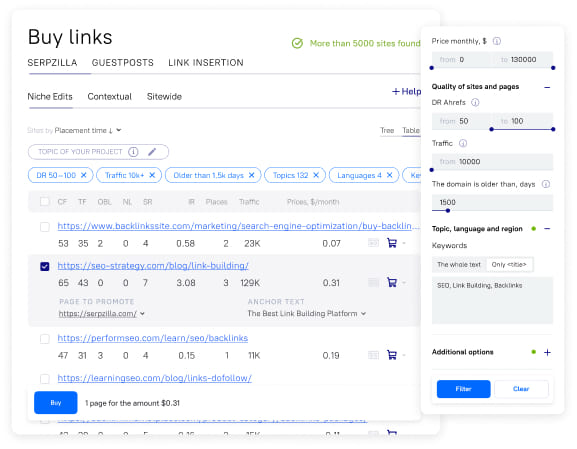
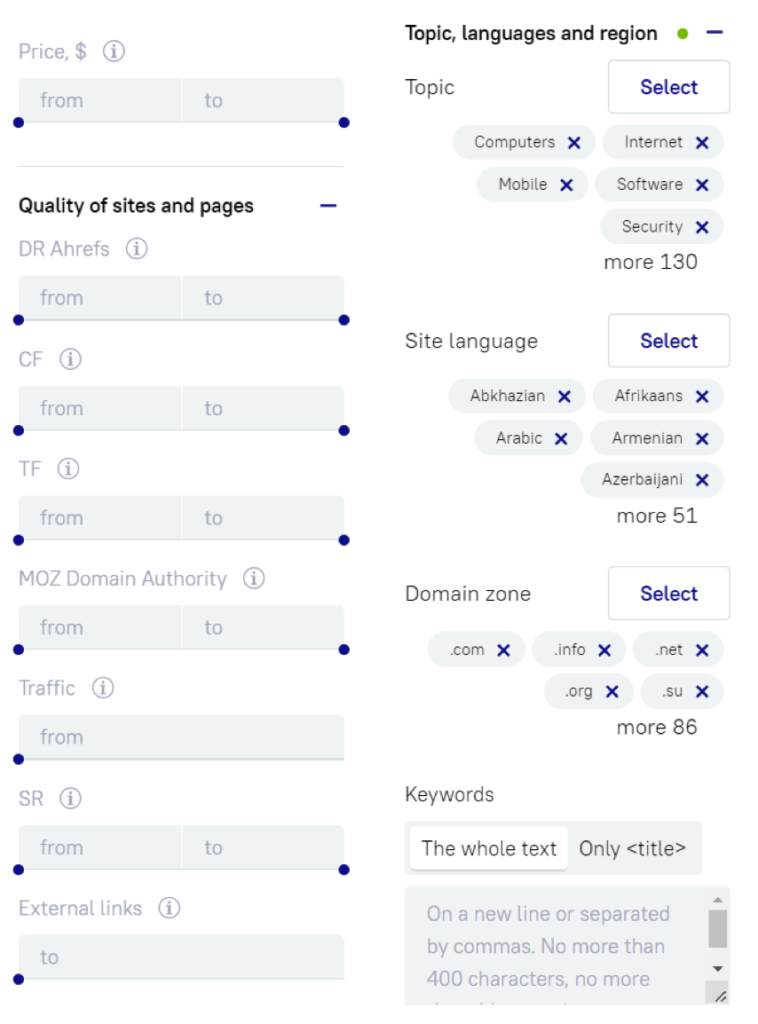
Don’t worry; Serpzilla makes it possible – and easy – for you. Our tool lets you shortlist your target websites by topics, authority, language, TLD and region. Whatever your keywords, you’ll be able to find a good number of websites that match your criteria. This way, you can be sure that you’re choosing the most effective links that work quickly to increase your visibility in the SERPs.
Further, there are two critical guarantees, especially important for local businesses:
- The link will be indexed within a reasonable period of time. If this doesn’t happen, you simply get your money back. You can either withdraw it from the app or spend it on another link of your choice.
- If the link (or the page itself) is removed within a year of going live, you get your money back. At Serpzilla, we want links to be “eternal” – or forever. But practically, one year is good enough for Google to pass all the necessary trust and authority signals from the source page to yours.
In conclusion
If you run a local business, you need to be on your toes and watch out for any and all opportunities to get backlinks as well as brand mentions. Your site needs geo-specific link and content signals in order to gain visibility in the search results. If you haven’t yet begun your local link building campaign, the time is right now!