The shortest definition of white hat link building would be staying on Google’s good side, and today, that means more than just avoiding penalties. It is a set of practices and techniques that SEO specialists use to acquire backlinks in ways that are considered ethical, sustainable, and genuinely valuable not only by search engines, but also by AI-driven systems that interpret and summarize the web.
What counts as white hat has evolved significantly. Google’s ranking systems have become more sophisticated, but so have AI search experiences like AI Overviews and large language models that assess context, authority, and topical relationships. In this article, we will talk about
- What white hat link building means in today’s AI-influenced search
- Which techniques can still be labeled as such in 2026
- How much elbow room you have when it comes to their practical application
What Is White Hat Link Building?
White hat link building isn’t about tricking Google. Rather you earn trust the same way you would in real life, that is, by being useful, relevant, and worth referencing. In 2026, that trust isn’t judged only by search engines, but also by AI systems that analyze context, relationships, and credibility.
A white hat backlink usually looks like this:
- It’s invited, not forced. Someone linked to you because it made sense, the link doesn’t stand out like it’s a lone sunflower in Mordor.
- It fits the room. The site and the topic actually relate to what you do. No “best crypto exchange” links inside a gardening blog.
- It lives inside real content. Not buried in a footer, sidebar, or a suspicious paragraph stitched in at the last minute. It reads like a continuation or a logical part of the content.
- It helps humans first. If the link disappeared tomorrow, the article would still make sense, but the reader would lose something useful.
- It won’t age like milk. It follows guidelines, avoids manipulation patterns, and won’t trigger a spam filter six months later.
White Hat vs. Gray Hat vs. Black Hat: What’s the Difference?
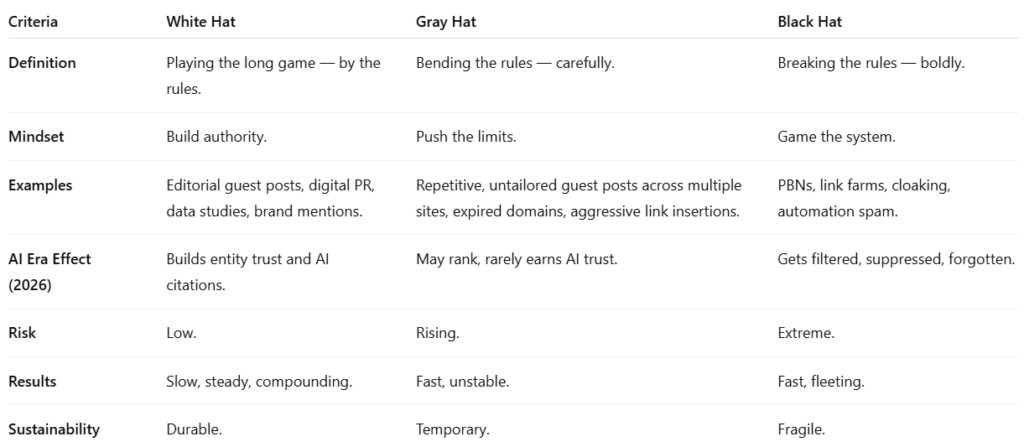
Below is how all three approaches look in 2026 — in a search landscape shaped by AI summaries, entity evaluation, SpamBrain, and stricter pattern detection.
White-Hat Link Building
- Uses an organic mixture of long-tailed keywords, brand mentions, naked URLs, and very few direct-match anchors. Anchors are diverse and naturally integrated into placement content.
- Avoids keyword stuffing and over-optimization. Anchor strategy mirrors how real websites reference sources.
- Aligns with E-E-A-T (Experience, Expertise, Authoritativeness, Trustworthiness) and reinforces entity authority in a niche.
- Supports contextual relevance and topical clustering, which influence both traditional rankings and AI-generated summaries.
- Uses unique, high-quality content with strong originality signals and clear human value. AI may assist production, but the output is expert-driven and editorially reviewed.
- Reflects organic link growth patterns — steady velocity, relevant placements, natural brand mentions.
- Uses proper attributes (nofollow/sponsored) where appropriate and transparent disclosure for paid collaborations.
- Produces evergreen links that remain relevant as Google updates its algorithms and AI systems refine content interpretation.
Gray-Hat Link Building
- Uses direct-match and partial-match anchors more frequently, while attempting to avoid obvious over-optimization patterns.
- Relies on heavily edited AI content, spun articles, or lightly reworked templates to reduce cost and time. Originality and depth may be moderate.
- May use expired domains, controlled blog networks, or semi-private placement ecosystems that resemble natural sites.
- Attempts to align with E-E-A-T signals without fully building real expertise or authority.
- Prioritizes scale and efficiency over deep topical alignment.
- Link velocity may spike without corresponding brand growth or content expansion, which AI-based spam systems can flag.
- Often operates close to Google’s guidelines, making it more vulnerable to algorithmic tightening or AI-based link quality reevaluation.
Black-Hat Link Building
- Aggressively uses exact-match anchors with little regard for diversity or contextual integration.
- Relies on automated content, spun text, scraped material, or large volumes of low-quality AI output.
- Involves manipulative practices such as bulk backlink purchases with no concern for relevance, editorial quality, or semantic alignment.
- Uses low-effort placements such as forum spam, comment spam, link farms, and synthetic traffic manipulation.
- Ignores E-E-A-T principles and frequently sources links from high spam-score or deindexed domains.
- Creates artificial patterns in link networks that are increasingly detected by SpamBrain and AI-driven spam classifiers.
- Best case: links are ignored and pass no value. Worst case: rankings are algorithmically suppressed or subject to manual action, both of which are difficult and time-consuming to recover from.
White Hat Link Building Strategies (Google-Friendly)
Use Statistics to Build Backlinks
One of the most reliable white hat link building strategies is publishing original statistics, research, or well-structured data roundups. Numbers travel well. Bloggers, journalists, and even AI systems prefer citing concrete data rather than opinions. If you become the source of a frequently referenced statistic, links follow naturally.
You can run surveys, analyze internal data, or compile updated industry benchmarks. The key is clarity: present the data in a way that is easy to quote, reference, and embed.
Why it’s White Hat:
- Provides real informational value to the industry
- Earns editorial backlinks naturally
- Supports E-E-A-T through expertise and original insights
- Builds topical authority and entity recognition over time
What success looks like:
- Organic backlinks from blogs, media, and industry reports
- Your data being cited without outreach
- Stable, long-term link growth tied to one strong asset
Typical mistakes:
- Republishing outdated or recycled statistics
- Hiding data behind vague claims without sources
- Publishing numbers without explaining methodology
- Overcomplicating presentation so it’s hard to cite
Create Infographics
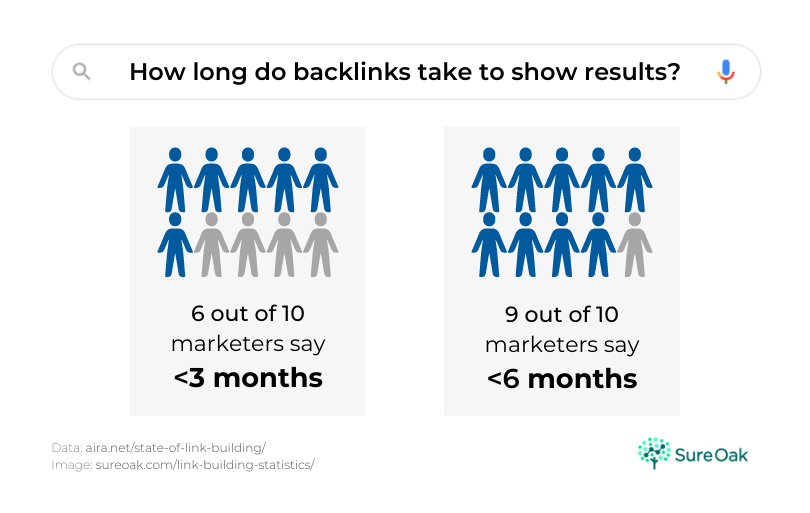
Some ideas are easier to digest visually. Infographics turn complex information, statistics, or step-by-step processes into something people can scan, share, and embed.
When done well, they act as linkable assets. Publishers reuse them in blog posts, roundups, and presentations, usually with attribution.
Example:
Why it’s White Hat:
- Translates useful information into accessible formats
- Encourages editorial embeds with attribution
- Adds real value instead of chasing anchor text
What success looks like:
- Backlinks from blogs that embed your graphic or brand mentions
- Shares across industry communities
- Mentions in curated resource lists
Typical mistakes:
- Designing something pretty but shallow
- Using generic data everyone has already seen
- Forgetting to provide an easy embed option
- Promoting it once and hoping for magic
Broken Link Building
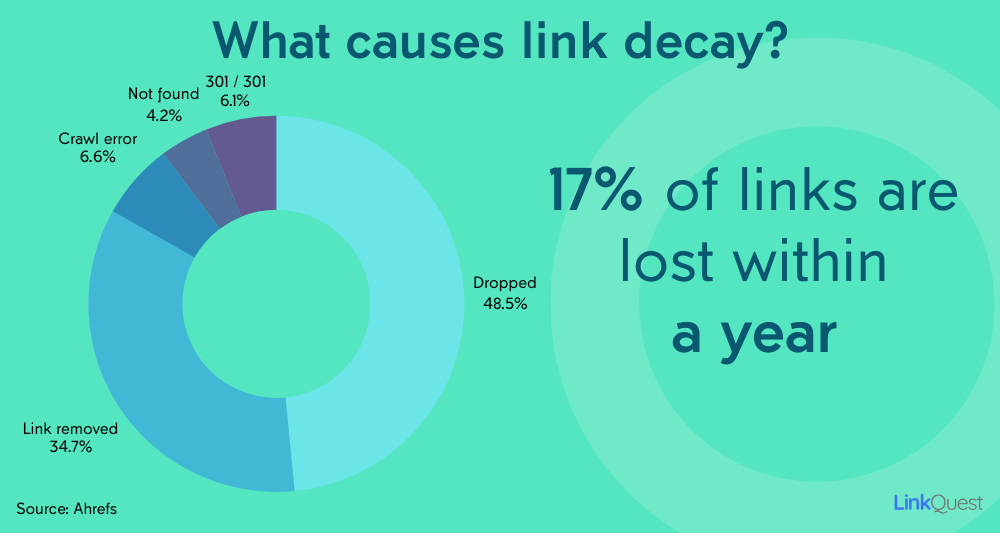
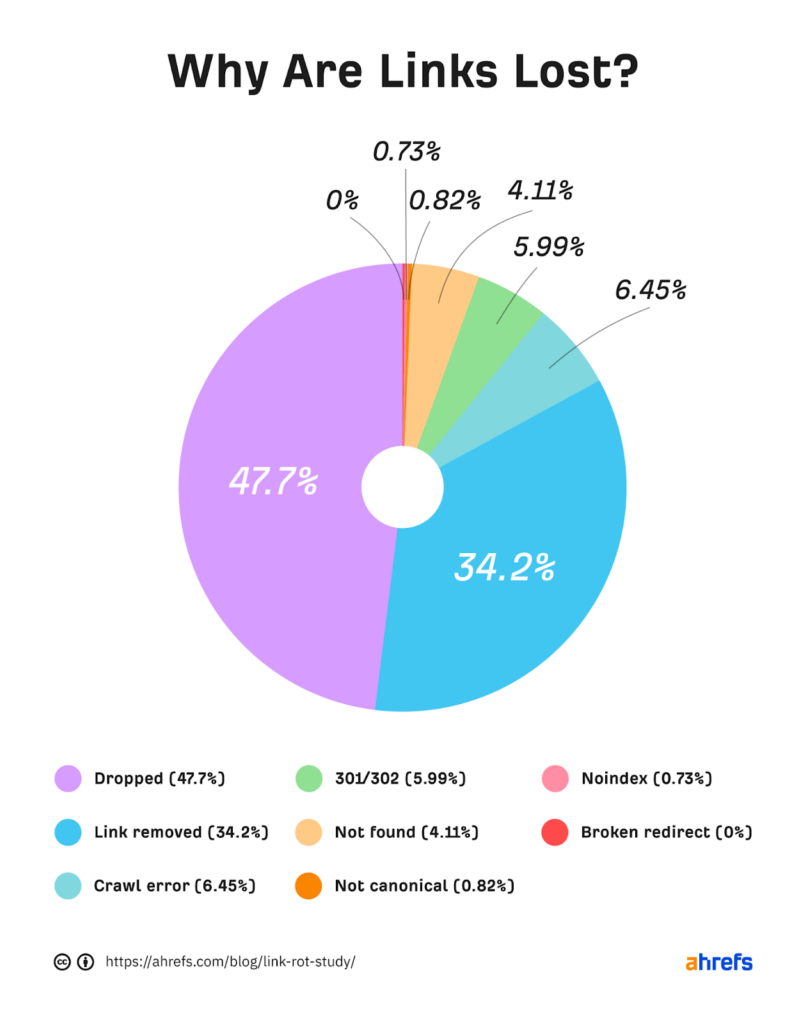
Web content ages. Pages get deleted, URLs change, resources disappear. Broken link building turns that decay into opportunity.
The idea is simple: find relevant pages with broken outbound links and offer your content as a replacement. You’re helping the site owner fix a problem while earning a contextual backlink.
Why it’s White Hat:
- Improves user experience by fixing dead links
- Adds relevant, working resources
- Results in editorial placements within existing content
What success looks like:
- Contextual links inside established articles
- High topical relevance between your page and the host page
- Stable placements that remain live long-term
Typical mistakes:
- Suggesting loosely related content
- Sending generic copy-paste outreach
- Targeting low-quality or irrelevant websites
- Replacing broken links with thin content
Generate Interactive Content
People like tools. Calculators, checklists, quizzes, templates, tests. Anything that helps them make decisions faster or understand something better. Interactive content turns your site from “another article” into something useful.
When the tool solves a real problem, other websites reference it as a resource.
Why it’s White Hat:
- Provides practical value beyond plain text
- Naturally earns mentions in guides and roundups
- Strengthens topical authority in your niche
What success looks like:
- Links from blog posts recommending your tool
- Mentions in “best resources” lists
- Steady organic backlinks without heavy outreach
Typical mistakes:
- Building tools no one actually needs
- Ignoring usability and clarity
- Launching it without promotion
- Creating something impressive but unrelated to your core topic
Build Links to a Resource Page
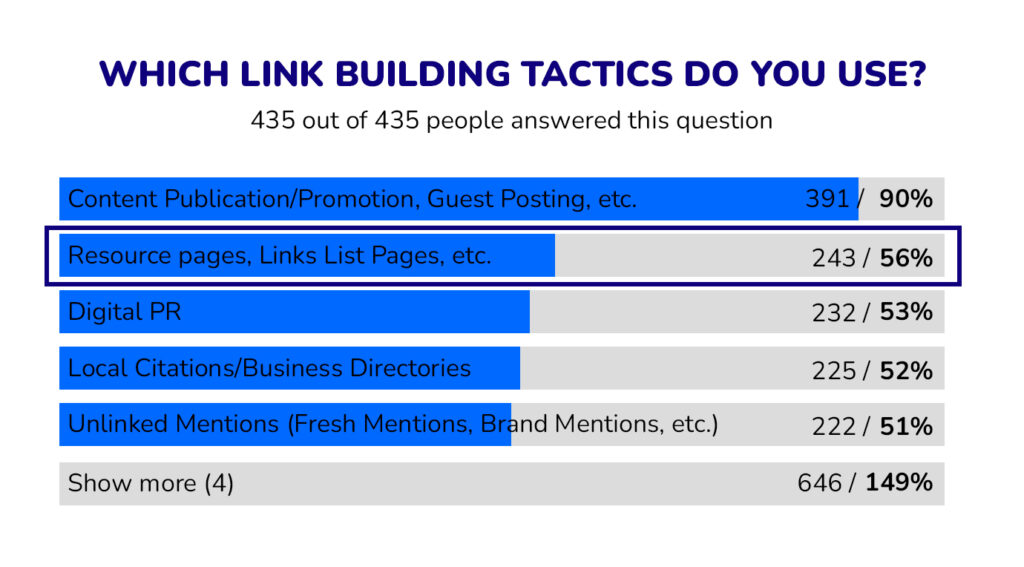
Resource pages exist to curate useful content. Universities, SaaS blogs, agencies, and niche publishers often maintain “helpful links” sections for their audience.
If you’ve created a genuinely valuable guide, checklist, or tool, these pages are a natural fit.
Why it’s White Hat:
- You’re contributing something useful to a curated list
- Placement is editorial and context-driven
- Links are usually highly relevant and stable
What success looks like:
- Inclusion in reputable “recommended resources” pages
- Referral traffic from audiences already interested in your topic
- Long-term links that remain untouched
Typical mistakes:
- Pitching thin or promotional content
- Targeting irrelevant directories disguised as resource pages
- Sending mass outreach without checking fit
Guest Posting
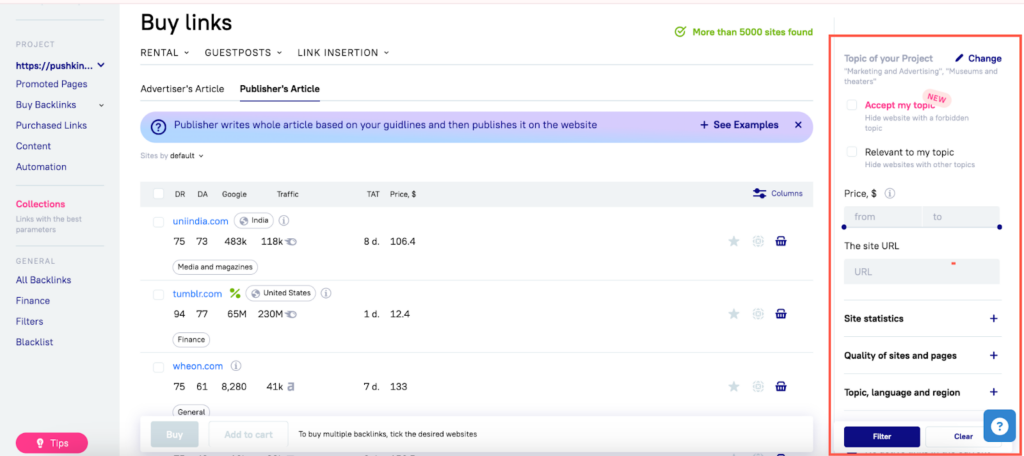
One of the safest and most efficient white hat link building tactics. It allows you to control the source content, the link placement, and in many cases the anchor text. Since you select the donor blog yourself, you can ensure it’s relevant and meets the SEO metrics that make the link meaningful.
Done properly, guest posting builds authority and visibility at the same time. You contribute expertise, the host site gets quality content, and your link fits naturally inside the article.
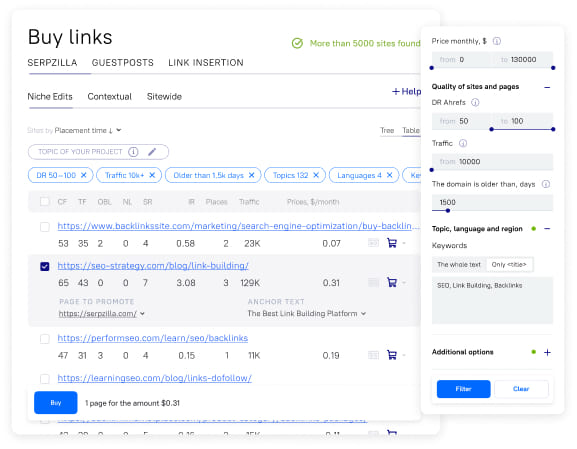
Manually, this process can take time: researching blogs, negotiating with editors, producing content. Platforms like Serpzilla streamline blog research and placement management, allowing you to focus on what actually matters: strong, relevant content.
Why it’s White Hat:
- Provides valuable content to a broader audience
- Creates contextual, evergreen placements
- Supports E-E-A-T and topical relevance
What success looks like:
- Links inside high-quality, niche-relevant articles
- Referral traffic and brand visibility
- A natural anchor profile
Typical mistakes:
- Publishing repetitive, untailored articles across multiple sites
- Over-optimizing anchors
- Choosing blogs based on metrics alone without checking real relevance
Publish More Link-Worthy Content
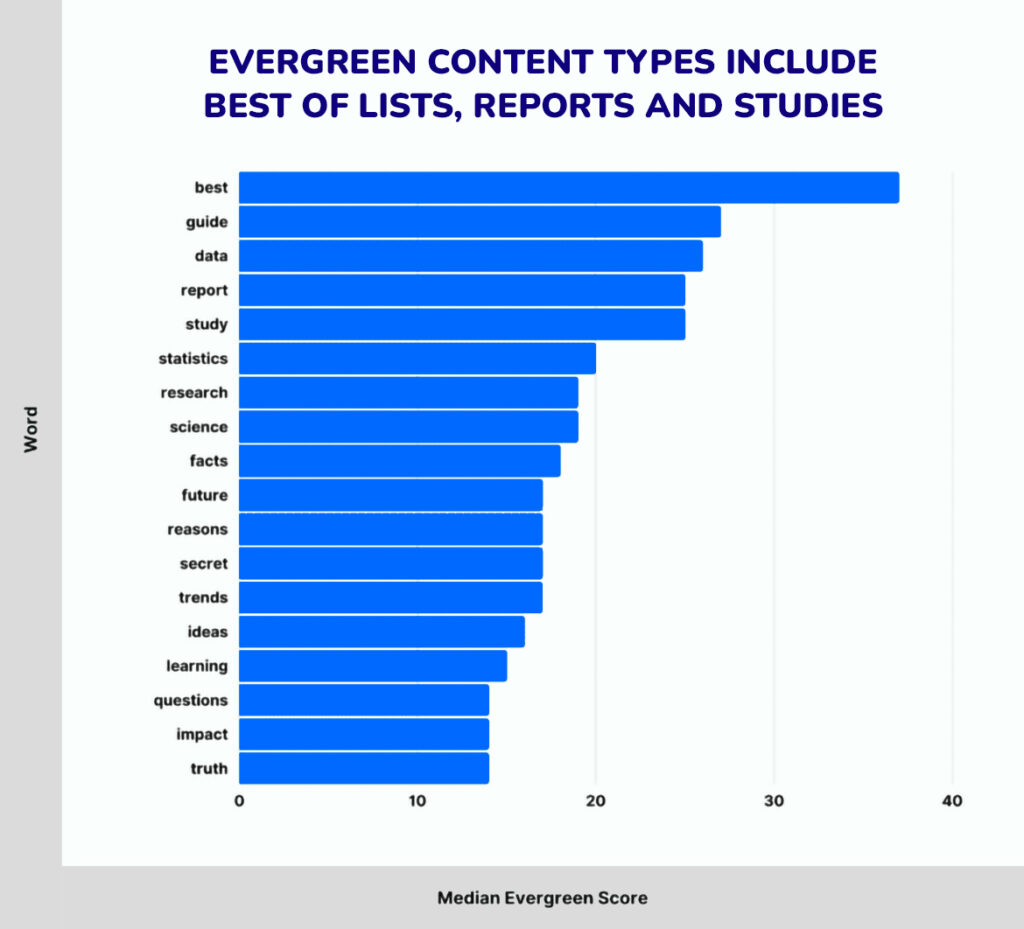
Some pages are built to attract links. In-depth guides, case studies, original research, expert roundups, these formats tend to become reference points in a niche.
Instead of chasing links one by one, you create evergreen content worth citing. The stronger the substance, the easier outreach becomes, and sometimes, links arrive without it.
Why it’s White Hat:
- Adds genuine informational value
- Aligns with search intent and topical authority
- Encourages natural editorial citations
What success looks like:
- Backlinks earned without aggressive outreach
- Mentions in industry discussions and AI summaries
- Consistent link growth tied to a single strong asset
Typical mistakes:
- Publishing long content that lacks depth
- Ignoring structure and readability
- Writing for word count instead of usefulness
- Creating content without a promotion plan
HARO (Journalist Request Platforms)
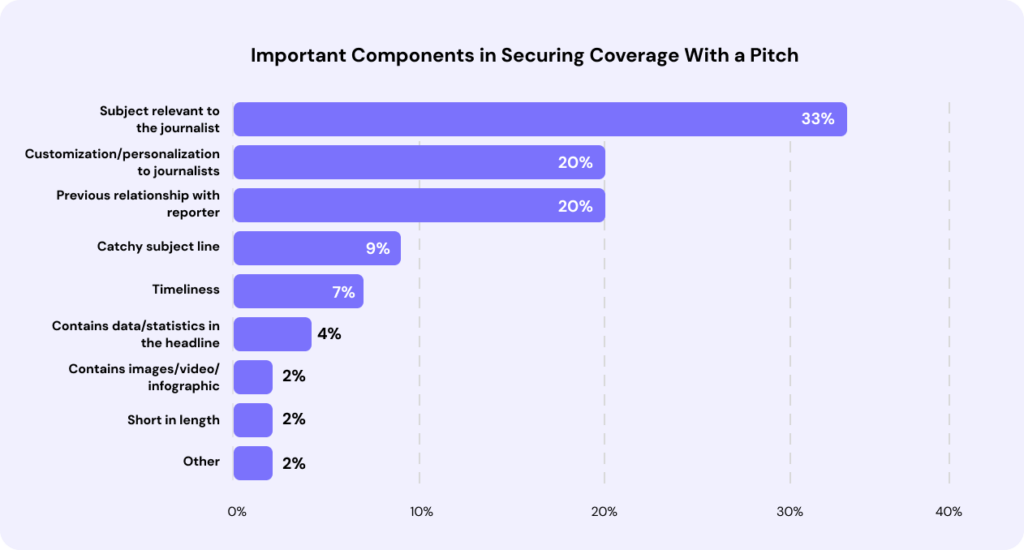
Platforms like HARO connect journalists with experts. Reporters post queries, and if your insight fits, you can be quoted and often with a backlink.
It’s straightforward: monitor relevant requests, respond quickly, provide concise and genuinely useful commentary. Journalists are looking for storytelling and clarity, not marketing copy.
Why it’s White Hat:
- Earns editorial links from media sites
- Builds authority and credibility
- Reinforces E-E-A-T through expert attribution
What success looks like:
- Mentions and links from reputable publications
- Brand visibility beyond SEO circles
- Quotes reused in industry discussions
Typical mistakes:
- Sending overly promotional responses
- Missing deadlines
- Writing long, unfocused answers
- Replying to irrelevant queries
Write Testimonials for Brands You Love
Companies love showcasing customer feedback. A thoughtful testimonial often ends up on their website — sometimes with a link back to you.
If you genuinely use a tool or service, sharing your experience can turn into a clean, relevant backlink. It’s simple and surprisingly effective.
Why it’s White Hat:
- Based on real relationships and authentic use
- Links are editorial and transparent
- Adds credibility to both sides
What success looks like:
- A contextual link from the brand’s website
- Association with reputable companies
- Long-term placement on product or case study pages
Typical mistakes:
- Writing generic praise with no specifics
- Requesting a link too aggressively
- Targeting brands unrelated to your niche
Get Featured on Podcasts
Podcasts are modern authority hubs. When you share expertise on a relevant show, your name and often your website, appears in the episode description or show notes.
It’s not just about the link. It’s about positioning yourself as a knowledgeable voice in your niche. The link becomes a natural byproduct of that visibility.
Why it’s White Hat:
- Earns editorial links from relevant platforms
- Strengthens brand authority and recognition
- Supports E-E-A-T through public expertise
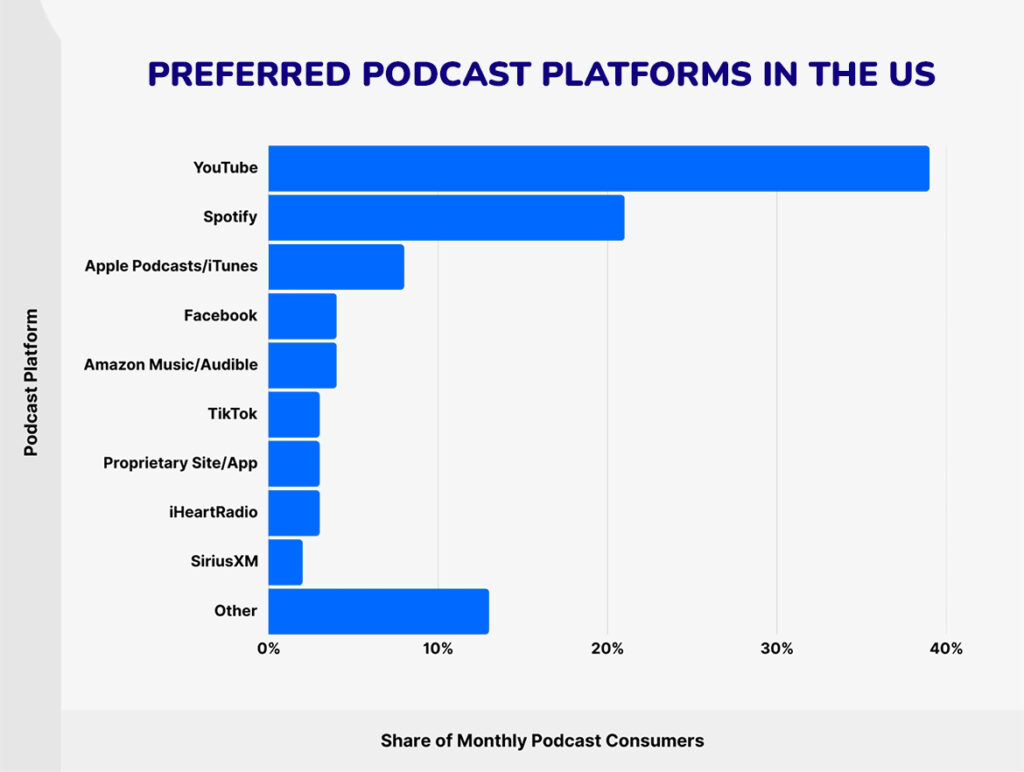
- Most popular podcast platform is YouTube, a UGC platform from where AIs often pull
What success looks like:
- Links in show notes or episode pages
- Referral traffic from engaged listeners
- Mentions across other channels
Typical mistakes:
- Targeting podcasts outside your niche
- Treating it purely as a backlink tactic
- Showing up unprepared or overly promotional
Target Keywords With High Link Intent
Some keywords naturally attract backlinks. Definitions, statistics, tools, “ultimate guides,” industry benchmarks, all these are topics people cite when they write their own content.
Instead of guessing, you identify queries where top-ranking pages already have strong backlink profiles. That’s usually a signal of link intent.
Why it’s White Hat:
- Aligns content creation with real demand
- Builds authority around reference-worthy topics
- Encourages organic citations over time
What success looks like:
- Pages consistently earning backlinks without heavy outreach
- Being cited as a source in related articles
- Strong performance in both rankings and mentions
Typical mistakes:
- Chasing high volume without checking backlink patterns
- Writing surface-level content on competitive topics
- Ignoring promotion after publishing
Build Authority on UGC Platforms (Reddit, Medium, Wikipedia, Youtube)
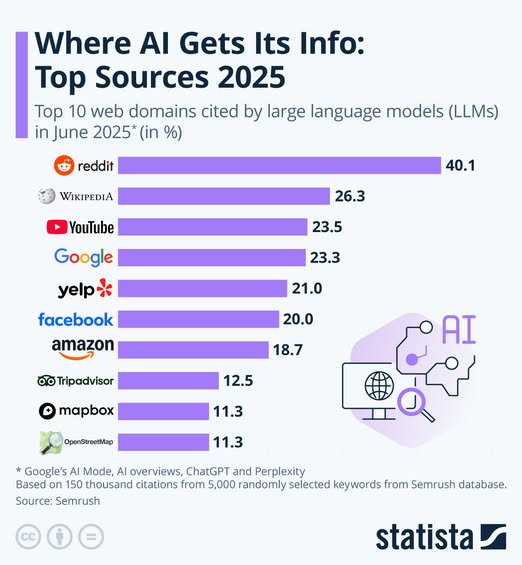
User-generated content platforms are no longer just “traffic hacks.” Reddit threads, Quora answers, and Medium posts are frequently cited, summarized, and analyzed by AI systems. Showing up there strengthens your brand footprint beyond your own domain.
This strategy is about consistent, expert participation, however, not link dropping.
Why it’s White Hat:
- Contributes real value to active communities
- Builds brand mentions and entity recognition
- Supports AI visibility, as LLMs often reference UGC discussions
- Encourages natural profile and contextual links
What success looks like:
- Your answers ranking for niche queries
- Brand mentions inside relevant discussions
- Referral traffic and increased branded searches
Typical mistakes:
- Posting promotional links without context
- Using automated accounts or generic responses
- Abandoning profiles after a few posts
- Treating communities as distribution channels instead of conversations
Brand Mentions & News
Brands are talked about more often than they realize. Product updates, partnerships, research releases, awards, feature launches: all of these create natural opportunities for mentions and links.
Sometimes the brand is already mentioned without a link. Sometimes a new announcement simply needs visibility. In both cases, the goal is the same: make sure your brand narrative travels with proper attribution.
Why it’s White Hat:
- Builds real brand authority and recognition
- Generates editorial mentions tied to actual activity
- Strengthens entity signals across the web
- Supports long-term visibility in both search and AI summaries
What success looks like:
- Contextual links from industry blogs and news sites
- Increased branded search queries
- Mentions appearing in AI-generated summaries
Typical mistakes:
- Treating minor updates as major news
- Ignoring unlinked mentions
- Sending mass press emails without targeting
- Publishing announcements with no real audience relevance
Pitch Reactive PR & Digital PR
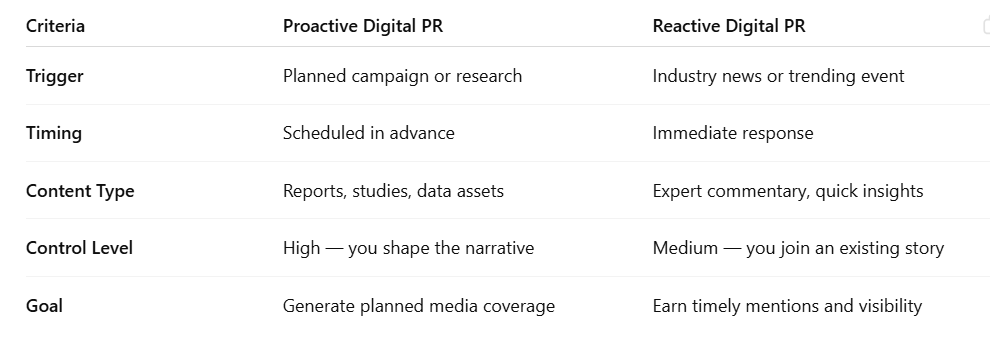
News cycles move fast. Industries shift, updates drop, regulations change, trends explode overnight. When you respond quickly with insight, your brand becomes part of the story.
Reactive PR means monitoring industry developments and providing timely commentary, data, or analysis to journalists and bloggers. Digital PR expands this into structured campaigns built around reports, launches, or bold takes.
Why it’s White Hat:
- Earns editorial links from trusted publications
- Positions your brand as an active industry voice
- Strengthens authority and entity recognition
- Aligns with how AI systems surface expert commentary
What success looks like:
- Mentions in industry news articles
- High-authority backlinks tied to real events
- Increased brand searches and media visibility
Typical mistakes:
- Reacting too late
- Sending generic opinions without substance
- Overhyping minor internal updates
- Prioritizing links over credibility
Use Google Search Console for Link Opportunities
Google Search Console is great if you want to see where momentum already exists. Pages with impressions but stuck outside the top positions often need authority support. Queries bringing traffic to unexpected URLs may signal hidden potential.
Instead of guessing which pages deserve backlinks, you use real performance data.
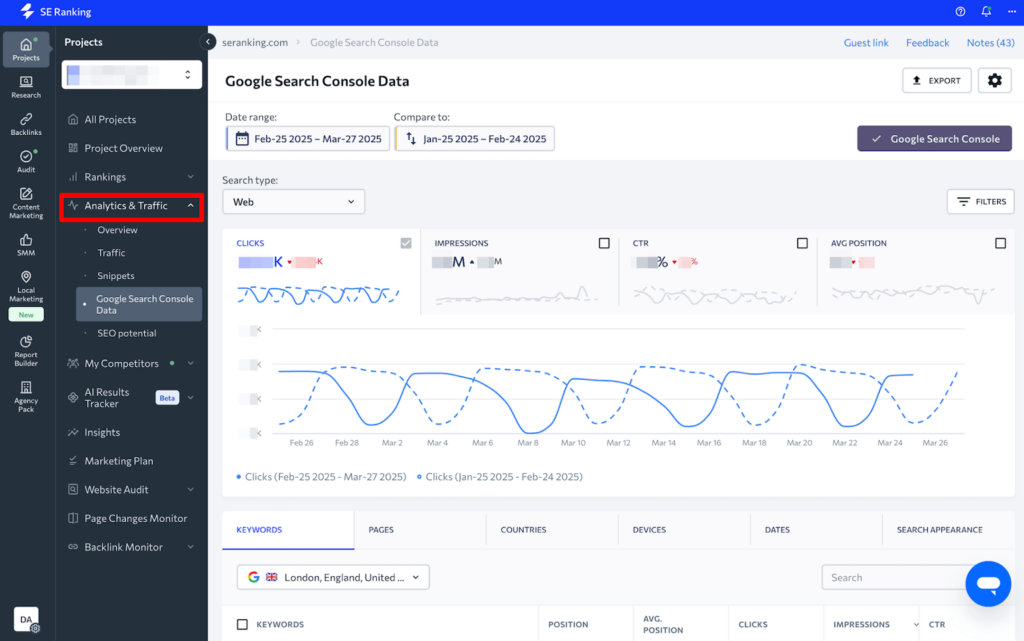
Look for:
- Pages ranking on positions 5–20
- Queries with strong impressions but low CTR
- Content that attracts traffic but few backlinks
Why it’s White Hat:
- Based on your own search data
- Strengthens pages already relevant to Google
- Aligns link acquisition with real demand
What success looks like:
- Ranking improvements for pages already visible
- Better CTR and stronger query alignment
- Efficient link building focused on high-impact URLs
Typical mistakes:
- Building links blindly without data
- Ignoring search queries behind impressions
- Strengthening pages that don’t match user intent
Local Business Listings
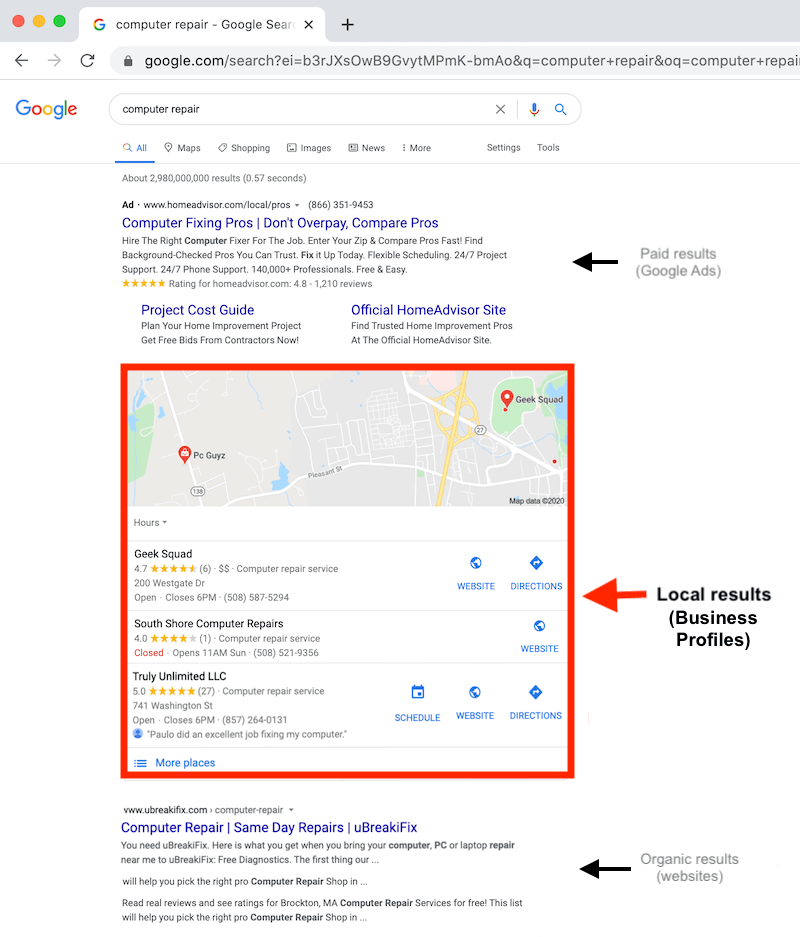
If you operate locally, foundational citations still matter. Consistent business listings across reputable directories reinforce trust and location relevance.
This includes Google Business Profile, industry directories, local chambers, and trusted niche platforms.
Why it’s White Hat:
- Builds consistent NAP (Name, Address, Phone) signals
- Strengthens local authority and trust
- Supports visibility in local search and map results
What success looks like:
- Stable local rankings
- Increased visibility in map packs
- Referral traffic from relevant directories
Typical mistakes:
- Submitting to low-quality directory farms
- Inconsistent business details across platforms
- Creating listings and never maintaining them
How to Get White Hat Backlinks: A Step-by-Step Guide
Step 1: Define goals and KPIs (Rankings + AI visibility)
Start by deciding what success looks like. In 2026, rankings are only part of the equation. Visibility in AI-driven results, brand mentions, and citation presence matter too.
Set KPIs across two layers:
- SEO KPIs: target rankings, organic traffic growth, referring domains, link relevance, anchor diversity
- AI visibility KPIs: branded search growth, mentions on authoritative platforms, citations of your data or guides, increased presence in summaries and discussions
Clarity here prevents random link acquisition later.
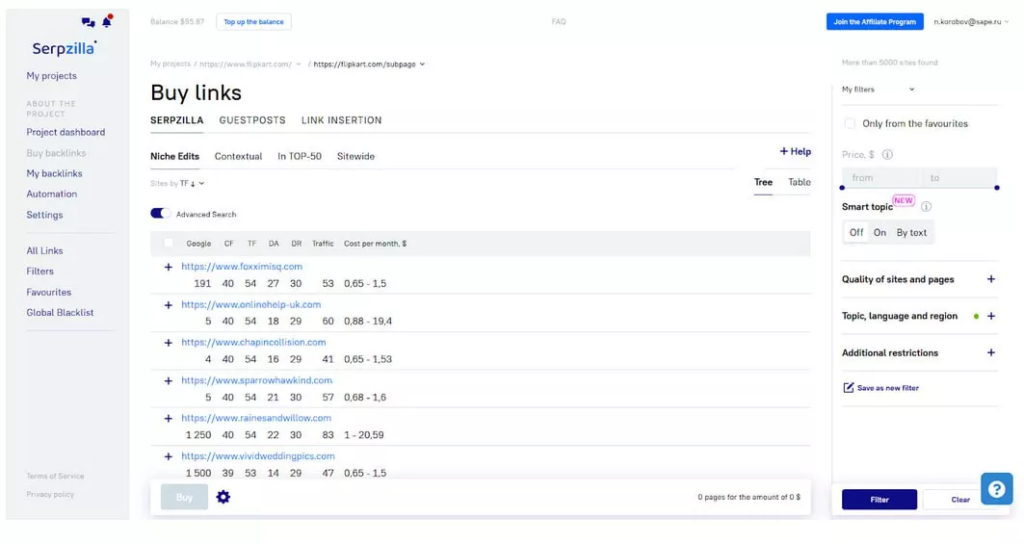
How Serpzilla can help: by filtering donors by topic, traffic, and authority, you can align placements with specific campaign goals, whether you’re strengthening commercial pages or building broader topical authority.
Step 2: Choose the right pages to build links to
Not every link should point to a money page. In fact, many strong campaigns rely on “linkable assets” that naturally attract citations:
- in-depth guides
- statistics pages
- comparison hubs
- case studies
- tools and checklists
A practical structure: support commercial pages indirectly through authoritative informational content.
How Serpzilla can help: you can distribute links strategically across informational and commercial URLs, building layered authority instead of concentrating everything on one page.
Step 3: Make your pages linkable and citable
Links amplify what’s already strong. Before scaling outreach, ensure the page is worth referencing.
Make sure it has:
- clear structure and logical headings
- concise definitions and quotable statements
- updated, verifiable information
- visible expertise and credibility signals
- internal links connecting to related content
AI systems tend to pull from pages that are structured, authoritative, and easy to summarize.
How Serpzilla can help: since you control anchor text and placement context, you can align backlinks with the strongest, most citation-ready sections of your content.
Step 4: Find prospects in your niche
Prospecting is about relevance first, metrics second. Look for:
- niche blogs and editorial sites
- industry media
- resource pages
- community platforms
- relevant UGC discussions
Strong topical alignment matters more in 2026 than raw domain metrics.
How Serpzilla can help: use filters for niche, traffic, language, and SEO metrics to quickly build a pool of relevant donor sites instead of researching manually.
Step 5: Qualify prospects and avoid risky sites
Not every site that looks good in metrics is a safe bet.
Check for:
- real traffic patterns
- natural content quality
- diverse outbound links
- reasonable link density
- authentic audience signals
Avoid sites that look like content warehouses or repetitive guest post hubs.
How Serpzilla can help: reviewing site metrics, categories, and historical placement data helps reduce risk before committing to a placement.
Step 6: Organize outreach, placements, and follow-ups
White hat link building still requires coordination. Track:
- which sites were contacted
- what was pitched
- anchor text variations
- publication timelines
Keep communication clear and human. Personalization improves acceptance rates and placement quality.
How Serpzilla can help: streamlining blog research and placement management reduces manual negotiation, allowing you to focus on content quality and strategy.
Step 7: Track impact (Rankings + AI footprint)
Measure beyond “number of links.”
Track:
- ranking improvements
- referring domain growth
- traffic changes
- anchor profile diversity
- branded search trends
- mentions in industry discussions
AI visibility may show up as increased brand citations or demand, even before ranking shifts.
How Serpzilla can help: by monitoring placements and distributing links strategically, you can correlate link acquisition patterns with traffic and ranking changes more accurately.
Tools for White Hat Link Builders
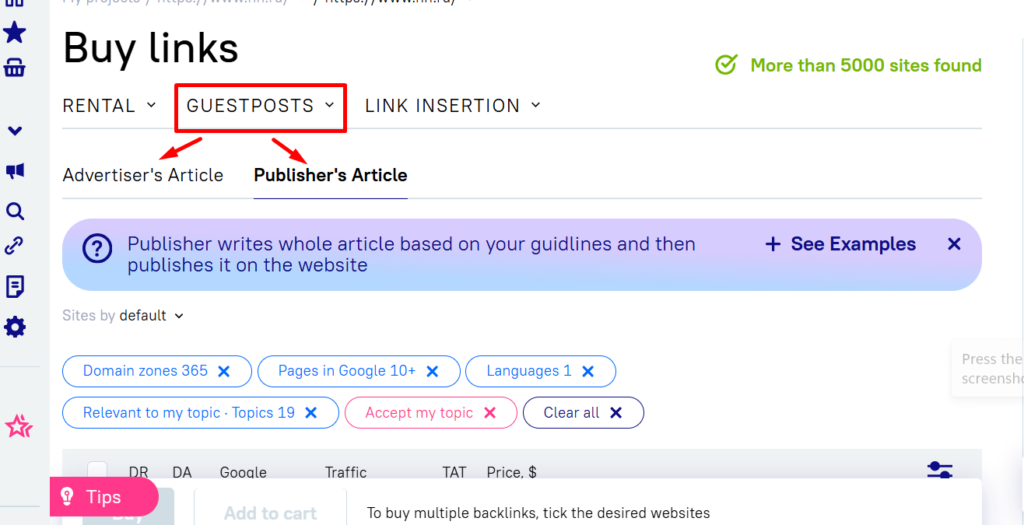
- Serpzilla: Ideal for automating outreach and research for guest posting and finding local backlink opportunities.
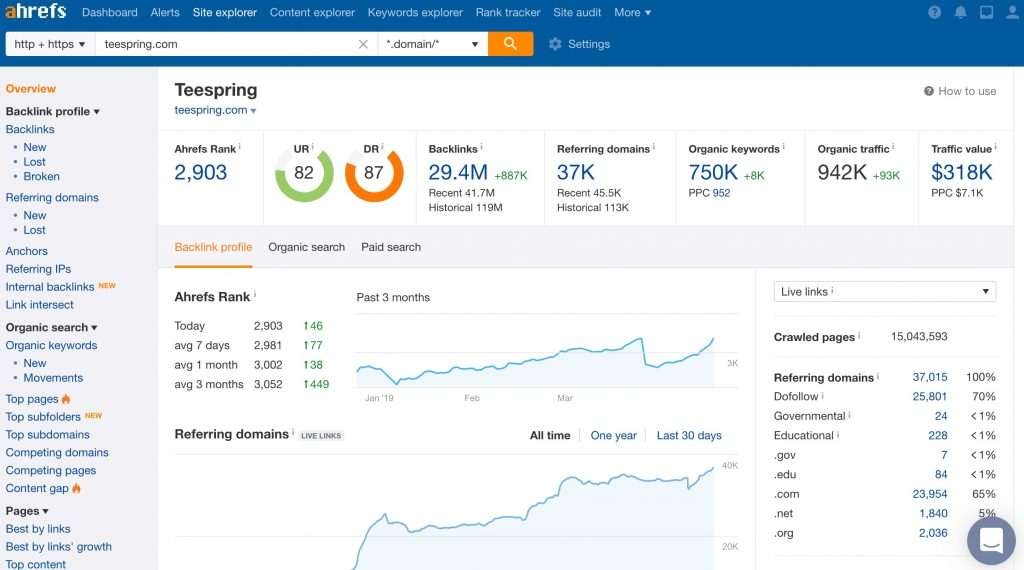
- Ahrefs: For backlink analysis, broken link building, and content gap identification.
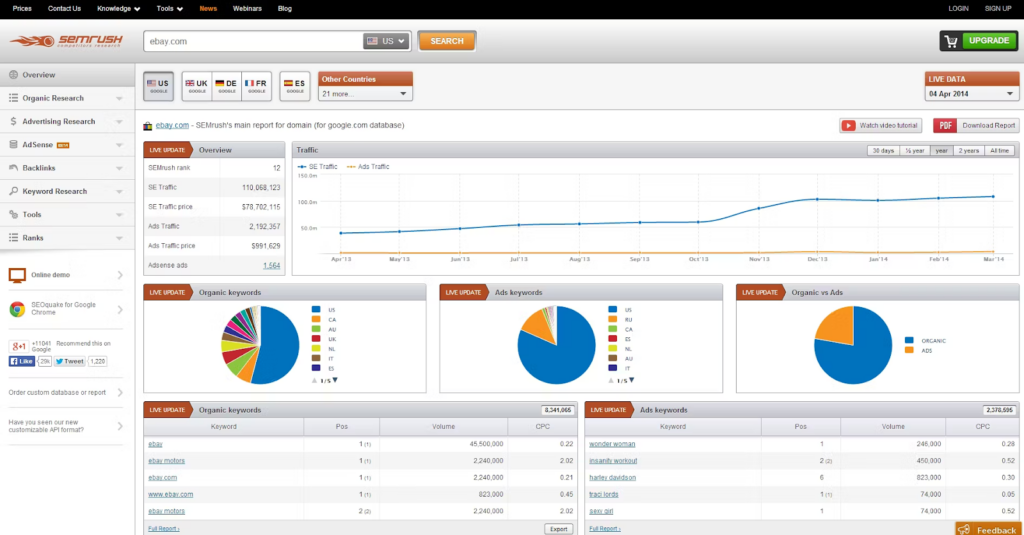
- SEMrush: Tracks rankings, competitors, and link-building opportunities.
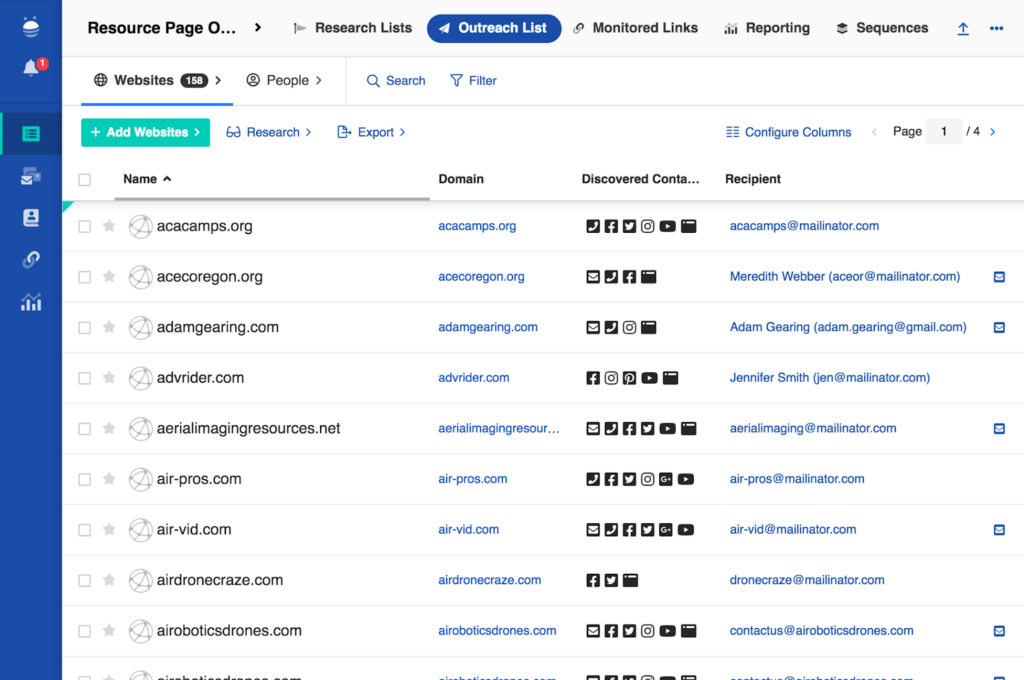
- BuzzStream: Streamlines outreach and relationship management.
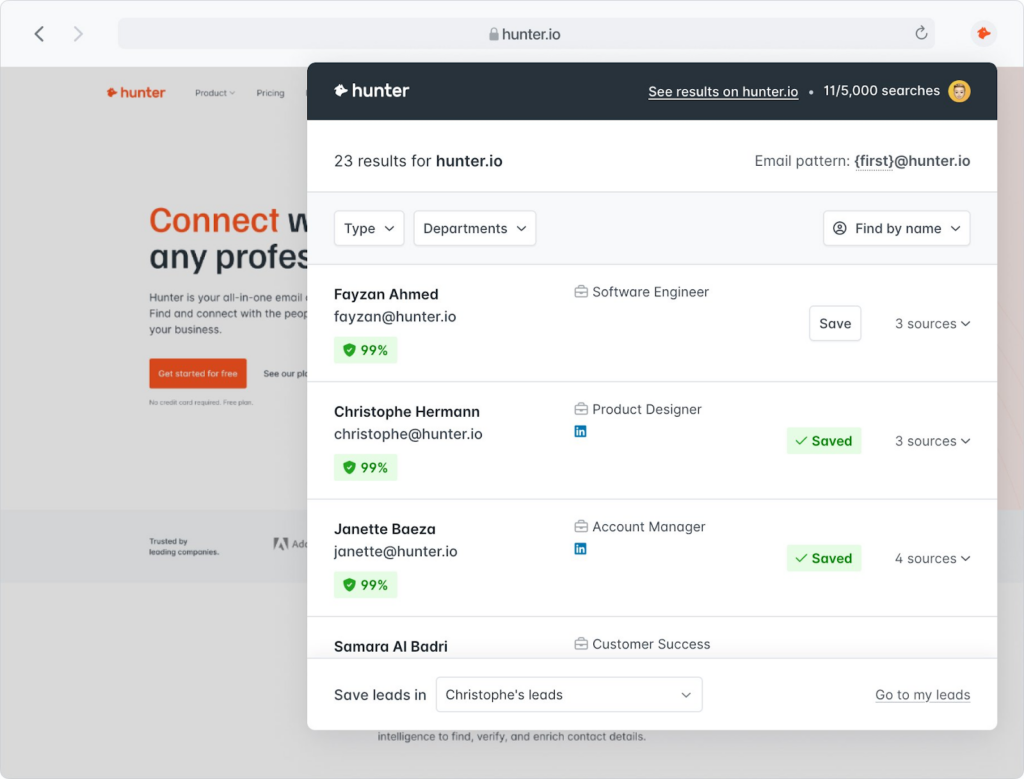
- Hunter.io: Helps find email addresses for outreach for digital PR campaigns.
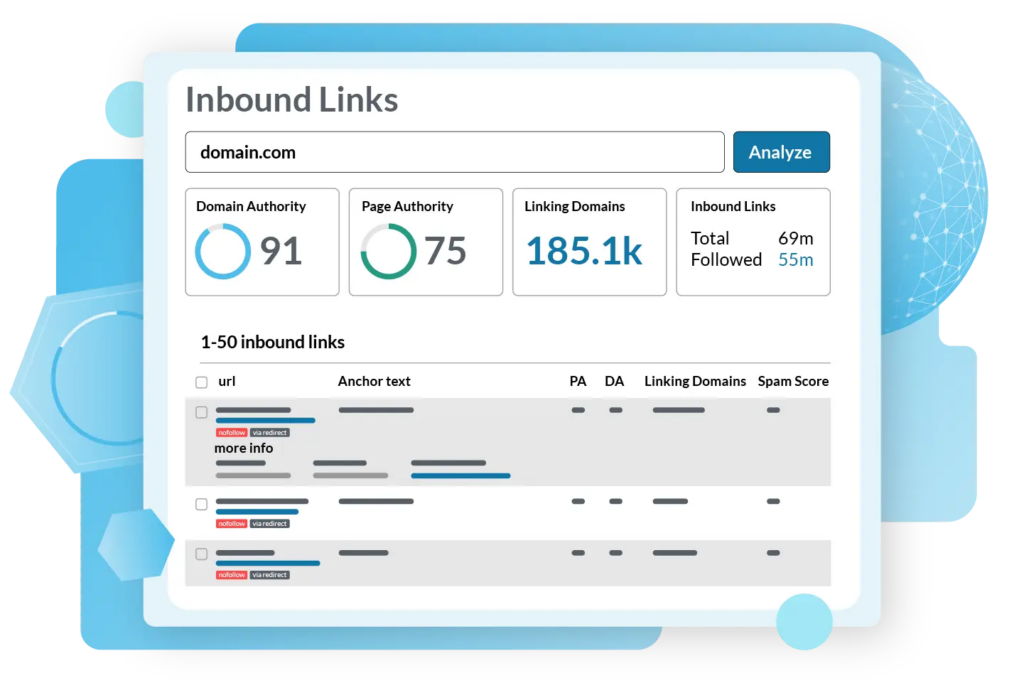
- Moz Link Explorer: Measures link authority and uncovers new opportunities.
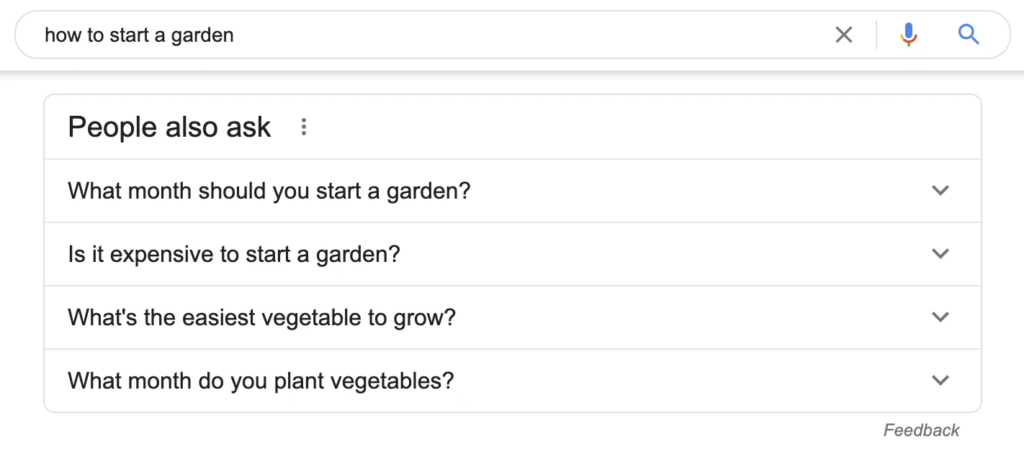
- AlsoAsked / AnswerThePublic (AI Query Mapping Tools): Help identify how topics are structured around user questions and how AI-driven systems cluster related queries. Useful for creating citation-ready content that aligns with AI summaries and conversational search patterns.
How Can Serpzilla Help In White Hat Link Building?
Serpzilla is a White Hat SEO link building automation tool, aimed at helping SEO professionals and webmasters find contextual, relevant, and valuable links for the sites they’re promoting.
A unique link building platform, Serpzilla is an online marketplace containing over a billion pages for Google-friendly backlinks. All the backlinks on the platforms equip SEO professionals and webmasters drastically enhance the results.
A growing database of websites is one of the mainstays of Serpzilla.
Boost your SEO results! Link building has become fast and easy with Serpzilla. Buy quality backlinks on authority websites with high DR.





![Real Estate Link Building [2025]](https://serpzilla.com/blog/wp-content/uploads/2024/03/The-Best-Real-Estate-Link-Building-Strategies-for-2024-1.png)