AI has changed how link building research, outreach, and risk analysis work, but it hasn’t replaced strategy.
- AI speeds up prospect discovery, backlink analysis, and outreach personalization
- Human input is still necessary for evaluating link quality and editorial relevance
- The best AI-powered link-building strategies combine automation with controlled link acquisition through Serpzilla
Basically, AI is great for reducing manual workload while helping SEOs focus on links that are proven effective.
How AI is Changing (and Not Changing) Link Building in 2026
The AI craze over every aspect of SEO is loud (and can be annoying sometimes), but it’s not unfounded. It has replaced link building done through spreadsheets, outreach templates, and endless manual research.
Now you can analyze huge chunks of backlinks in seconds. AI assistants cluster websites by topic, identify linking patterns, and even predict which pages are likely to attract links.
But there are things that haven’t changed about link building, even with the introduction of AI. The links that move rankings are still the same ones that worked ten years ago:
- Links embedded naturally inside useful content
- Links coming from sites that actually have readers
- Links placed on pages that already rank and receive traffic
So the speed is the deciding factor, while the strategy remains. That’s the advantage you’re given when using AI the right way for SEO.
“Economics of links is stable and well-tested through years of SEO work. But what used to take days or weeks is now compressed into minutes, like analyzing an entire competitor backlink profile in one pass instead of clicking through 50 tabs.“
Sergei Pankov, CEO of Serpzilla
If you want a broader view of how SEO itself is evolving, see the full overview of emerging SEO trends for 2026.
What Is AI-Powered Link Building?
AI-powered link building is using AI to find, evaluate, and prioritize link opportunities faster.
Of course, AI-powered link building doesn’t mean full automation, although it sometimes can come close to that.
What you need to keep in mind is that search engines are extremely good at detecting patterns that look artificial. Fully automated link acquisition almost always produces those patterns, and this is risky.
That’s why the value of AI in link building should (and does) come from its research power. It helps answer questions like:
- Where are competitors getting links from?
- Which topics attract citations in this industry?
- Which domains repeatedly link to similar companies?
- Which pages are likely to accept new references?
In other words, AI is fantastic at discovering possibilities. We as humans are still responsible for judgment and further action.
This is also why responsible link building avoids tactics like mass AI‑generated guest posts or automated link networks. Those approaches may create links quickly, but they rarely create links that search engines trust and rely on.
Link Building Strategies Powered by AI
Let’s take a look at the best AI-powered link building strategies you can use in your SEO work right away. Most of them are surprisingly practical. They don’t reinvent the discipline but make proven tactics far more efficient.
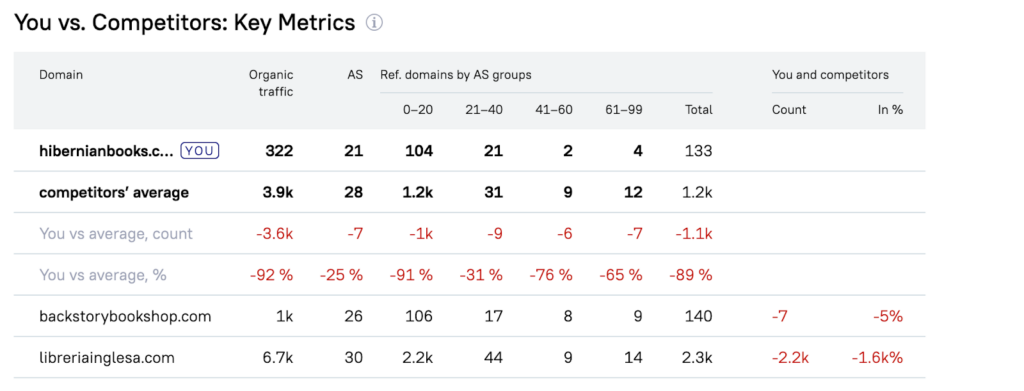
1. Analyze competitors’ backlinks
AI tools can automatically identify patterns such as:
- Domains that link to multiple competitors
- Types of content that attract links in your niche
- Frequently cited research pages
- Journalists or bloggers who cover the topic regularly
AI also puts links into meaningful groups for you to quickly see where links come from, why they were given, and which patterns you can realistically replicate.
For example, it might reveal that several competitors earned links from industry tool directories or curated resource pages. That insight alone can reveal an entire category of opportunities you might otherwise miss.
You can also ask AI to compare when links were acquired across competitors. You’ll often spot bursts around specific events (report releases, product launches, news hooks). That timing pattern is repeatable and can be far more valuable than the sites themselves.
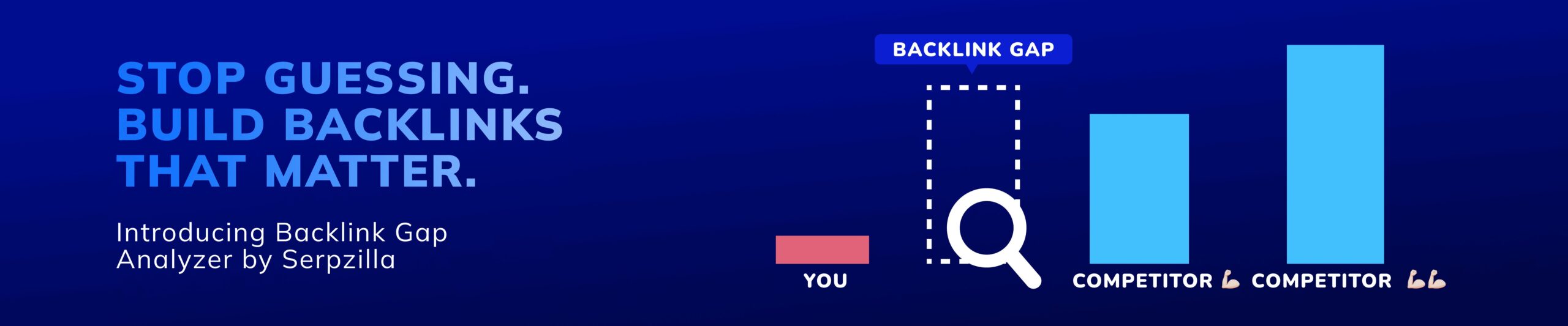
Pro tip: Run competitors through Backlink Gap Analyzer in Serpzilla before digging into their links. It shows which segments (e.g., AS 50+) drive their rankings, so you focus only on patterns that matter, no need to go through the entire backlink profile.
2. Discover link opportunities
You can easily find relevant websites that may never appear in standard backlink tools.
The trick is to stop bluntly ask AI who could link to you. A better question is “who is still actively adding links in this topic?”
You can do it in 3 steps:
- Take top-ranking articles for your keyword.
- Use AI to analyze their update patterns (dates, content changes, link additions).
- Identify pages that:
- Were updated recently
- Added new sections or data
- Include fresh external links
This gives you a shortlist of pages where adding a new reference is realistic.
Another high-impact use is mapping link-friendly formats in your niche. AI can quickly group pages into patterns like:
- Statistics pages that keep getting cited
- Guides that regularly expand sections
- Listicles that rotate tools or examples
- Articles that reference external sources every few paragraphs
With this input, you can start targeting repeatable link environments.
3. Estimate the potential impact of a link
A fascinating emerging capability is AI‑assisted prediction of link impact. Some advanced models can estimate how much influence a link might have by evaluating factors like:
- Topical similarity between sites
- Authority of the linking domain
- Organic traffic of the linking page
- Keyword competitiveness
These predictions are not perfect, but they help prioritize which opportunities deserve the most attention.
4. Reclaim unlinked brand mentions
Many companies are mentioned online far more often than they realize. Articles may reference a brand, product, or founder without including a link. Go ahead and Ask AI monitoring to scan the web to identify your brand mentions.
Once discovered, outreach teams can request attribution links. Since the brand was already mentioned, these requests usually succeed with minimal effort.
5. Personalize outreach
This is probably the most popular use of AI link building tactics. It saves tons of time and yields pretty good results.
As you might have experienced, editors ignore generic emails almost instantly. AI helps instantly analyze the target site and generate pitches that reference things like the author’s previous articles, the site’s editorial focus, or topics the audience cares about.
This is a great strategy that give a much higher response rate. You can try specific outreach prompts from our detailed guide on ChatGPT for link building.
6. Create link‑worthy content
AI is most useful here not for writing content but for spotting what gets cited in your niche.
Have AI analyze hundreds of linking pages and reverse-engineer the pattern:
- What kind of content people link to without being asked
- What formats keep getting referenced across different sites
- What pages attract links over time
This often points to things like data hubs, comparison pages, niche tools, or very specific explainers that solve one problem better than anything else.
Common AI Link Building Mistakes
AI can scale great strategies, but it also scales any mistakes you make. So be careful to avoid these missteps (explained in detail below).
| Mistake | Consequences | Solution |
| Mass outreach with no targeting | Low reply rates, burned domains, wasted effort | Prioritize high-probability targets only |
| AI content without original insight | Content gets published but earns no links | Identify what gets cited, then add real value |
| No tracking or feedback loop | Links placed, no clarity on impact | Track outcomes at page + keyword level |
| Working with low-quality sites | Budget spent on links with no impact | Pre-filter sites by real quality signals with Serpzilla |
Mass outreach with no real targeting
Sending thousands of AI‑generated emails is easy and may feel productive. In reality, though, it can destroy response rates and damage email reputation.
Successful outreach still depends on relevance and value. Personalize, prioritize, and act from strategy.
AI content without original insight
Link‑worthy assets are extremely important for successful link-building, and AI may seem like the perfect way to generate those quickly in bulk. But we’ve already mentioned that search engines spot these cookie-cutter pieces pretty easily. So make sure to avoid putting generic LLM-produced stuff out there.
Journalists and bloggers link to:
- Data and research
- Real expert opinions
- Unique resources
Without those elements, AI content rarely attracts citations.
Not tracking outcomes or learning from tests
You’re using AI to find opportunities, generate ideas, even prioritize placements, but are you feeding it any analytics to tell it what was effective and what wasn’t?
Without this feedback loop, every new round starts from zero, and many setups just break:
- Links are tracked at the domain level, missing the exact page + keyword cluster
- No record of when a link was placed vs. when movement happened
- No distinction between links that triggered growth and those that did nothing
Once you start collecting that data, AI can give you much better suggestions and focal points.
Working with low‑quality links
AI suggestions are not perfect. They sometimes include sites that technically match a topic but have weak editorial standards. Links from this kind of sites won’t really improve rankings but can siphon off your energy and budget.
Pro tip: To avoid this mistake, use curated link marketplaces that remove low-quality backlinks from the equation. They filter out many of the low‑quality domains that automated tools might recommend. For example, Serpzilla is built to give you a controlled layer where placements are already filtered by real signals like traffic, indexing stability, and content quality.
How to Use Serpzilla for AI-Powered Link Building
With the AI research process in place, you need one more thing — a tight acquisition process. Serpzilla is the perfect environment for placing contextual backlinks without relying entirely on manual outreach.
A typical workflow you can implement looks like this.
1. Choose target pages and set clear quality rules
Start by understanding which pages need backlinks the most for effective link-building.
These usually include:
- Commercial landing pages
- Cornerstone blog content
- Research or statistics pages
Then define the keywords and ranking goals for each page before acquiring links.
2. Filter donors in Serpzilla to remove low-quality and risky sites
A site can have decent metrics and still be useless if it ranks for unrelated topics, its pages don’t get real traffic, or the links sit on pages that never get indexed or updated. Filtering helps you remove these cases early.
Use Serpzilla’s filters to optimize the process:
- Niche relevance ensures the link reinforces topical signals, not just adds a random mention
- Organic traffic confirms the site (and ideally the page) is actually seen by users
- Authority metrics help avoid weak or unstable domains
- Geography keeps links aligned with your target market
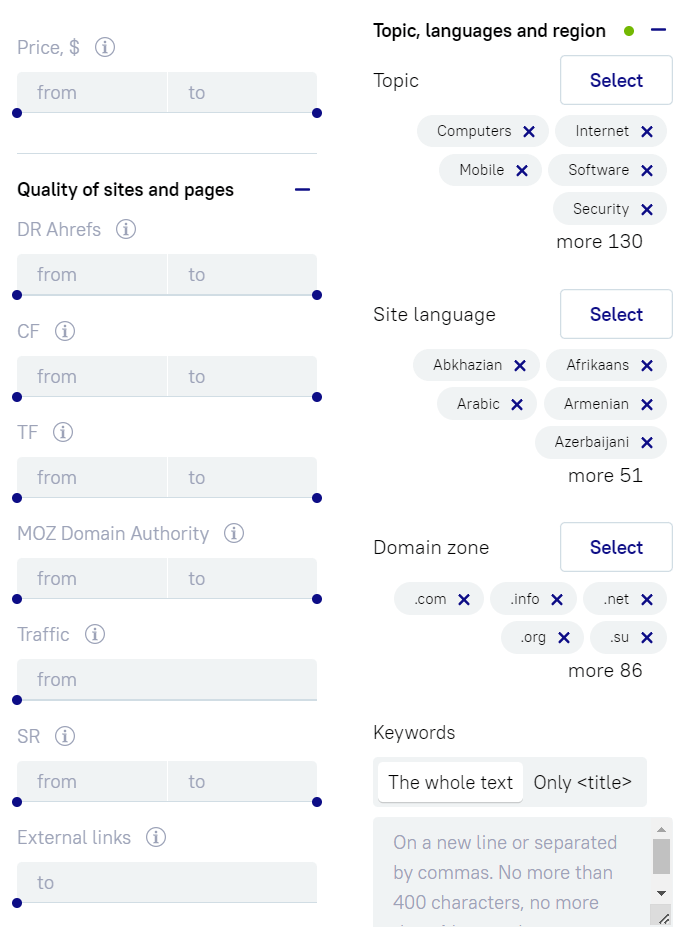
You’ll avoid links that look right on paper but do nothing when it comes to SEO impact.
3. Plan a natural anchor mix
Most over-optimized profiles look unnatural because they repeat the same intent too clearly.
Avoid this by creating a healthy mix:
- Start with branded + neutral anchors as your base (50–70%)
- Use partial-match anchors sparingly (20–30%)
- Keep exact-match anchors minimal (5–10% max)
- Let some links stay messy (naked URLs, generic phrases)
Pro tip: Use AI to scan your existing anchor profile and flag patterns that look too consistent (same phrasing, same structure, same keyword intent). That’s usually where risk builds up.
4. Place links through Serpzilla and log every placement
Two links from similar-looking sites can behave completely differently. If you don’t log details, you’ll never know why.
Once you’ve placed your links with Serpzilla, treat them like data points. Keep track of:
- Exact URL of the page
- Anchor text used
- Target page it links to
- Date of placement
- Type of placement
- Page context
Serpzilla gives you all this info automatically. All you have to do is review and connect it to results.
5. Verify placements
After publication, always check that:
- The link is live
- The page is indexed
- The anchor text matches the plan
- The surrounding content is relevant
6. Scale gradually and update your rules based on outcomes
Which exact placements caused movement? You need to have a clear answer to this question.
Track progress at the page level and look for:
- Pages that moved across multiple keywords (not just one)
- Links that triggered faster-than-average ranking changes
- Placements that did nothing despite strong metrics
You’ll start noticing patterns, including certain formats behaving differently, some pages passing impact faster than others, etc.
Pro tip: Feed your placements and outcomes into AI and let it categorize by impact. It will surface patterns you wouldn’t catch manually like specific content formats or contexts that consistently drive results.
Now scale only the patterns that bring real consistent results.
Final Word
AI-powered link building is what it sounds like: it gives you extra resources, speed, and more data. You’re still in the driver’s seat when it comes to strategy.
- Use AI to map where links come from and how they behave
- Use Serpzilla to place them in controlled conditions and see the impact
- Use your own judgment to decide what to scale