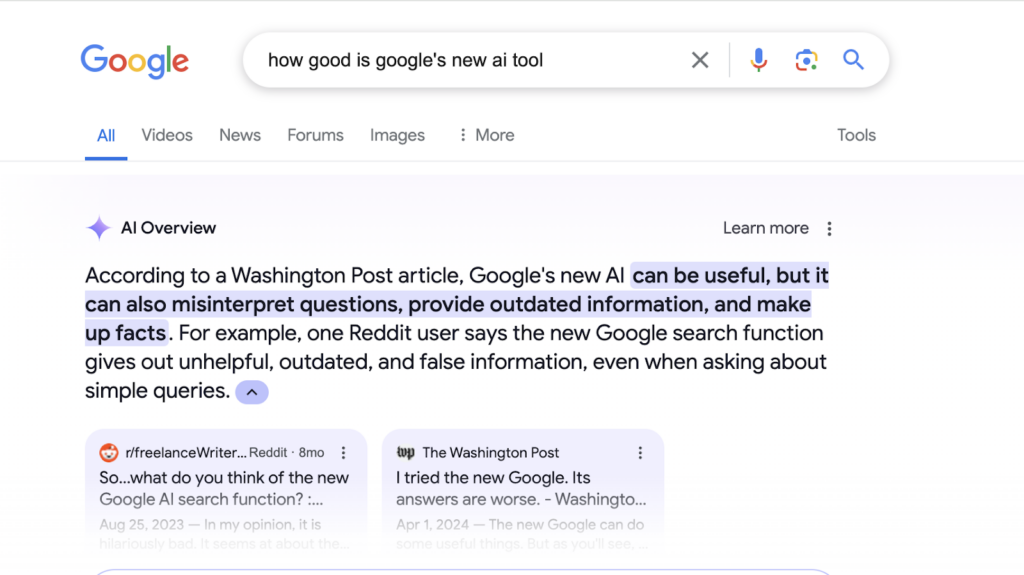
When Google introduced AI Overviews, it quickly rewired how visibility in search works. Instead of ranking pages and sending users to websites, Google increasingly summarizes the answer itself, pulling information from multiple sources and presenting it as a single, AI-generated response. Users didn’t have to click through anymore. In a lot of cases, they got what they needed in the AI response.
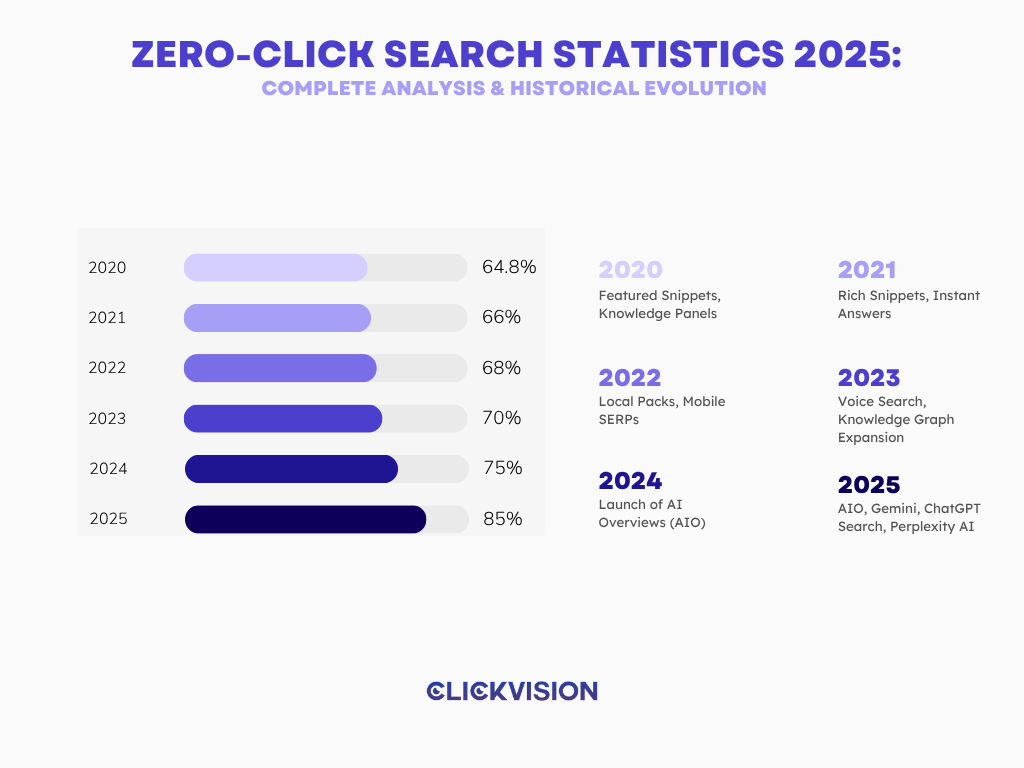
This shift triggered a predictable reaction in SEO circles: “If there are fewer clicks, do backlinks still matter?”
They do, but not in the way most link building strategies were designed for. That shifts the question from whether links still work to how to get high-quality backlinks that actually reinforce topical trust and source credibility.
How AI Overviews Change the Role of Backlinks?
In AI Overviews, links are no longer just a ranking signal tied to PageRank or domain strength. For large language models, backlinks act as external evidence of expertise, topical alignment, and semantic credibility. In other words, links help AI systems decide who deserves to be quoted, referenced, or implicitly trusted when generating an answer.
That’s why many sites with solid DR, traffic, and classic SEO metrics never appear in AI Overviews, while smaller, highly focused resources do. The difference isn’t “authority” in the traditional sense. It’s contextual authority: how consistently a site is associated with a topic across the wider web.
So let’s break the following down:
- what signals AI models actually rely on when building AI Overviews,
- how backlinks function as semantic proof rather than simple authority boosters,
- which types of linking sites influence AI answers the most,
- and how AI-driven analysis helps you choose donors, topics, and anchors that align with how LLMs interpret expertise.
The role of backlinks as external proof of expertise
In AI Overviews, backlinks don’t push rankings. Rather, they validate claims.
When an LLM decides whether a source is worth referencing, it looks for external confirmation that:
- the site consistently publishes on the topic,
- other thematically related sources acknowledge it,
- and those mentions happen in a relevant semantic context.
Example (works):
A cybersecurity blog appears in AI Overviews for “zero trust architecture” not because it has DR 80, but because:
- it’s cited by vendor blogs, compliance guides, and industry explainers, reddit threads, and there’s a popular youtube video arguing with one of its statements,
- Is cited across multiple UGC platforms where there are live discussions,
- links appear inside articles discussing security models, compliance, enterprise IT,
- anchors and surrounding text reinforce the same entities and concepts.
Example (doesn’t work):
A DR 75 lifestyle media site links to the same blog in a “Top 10 Tech Tools” roundup.
High authority but zero semantic value. For AI, this is noise.
LLMs treat backlinks as citations, not votes.
A link only helps if it answers one question:
“Would this source reasonably be used to support a factual explanation on this topic?”
If the answer is no, the link doesn’t strengthen AI visibility, regardless of metrics.
Which site types actually influence inclusion in AI Overviews
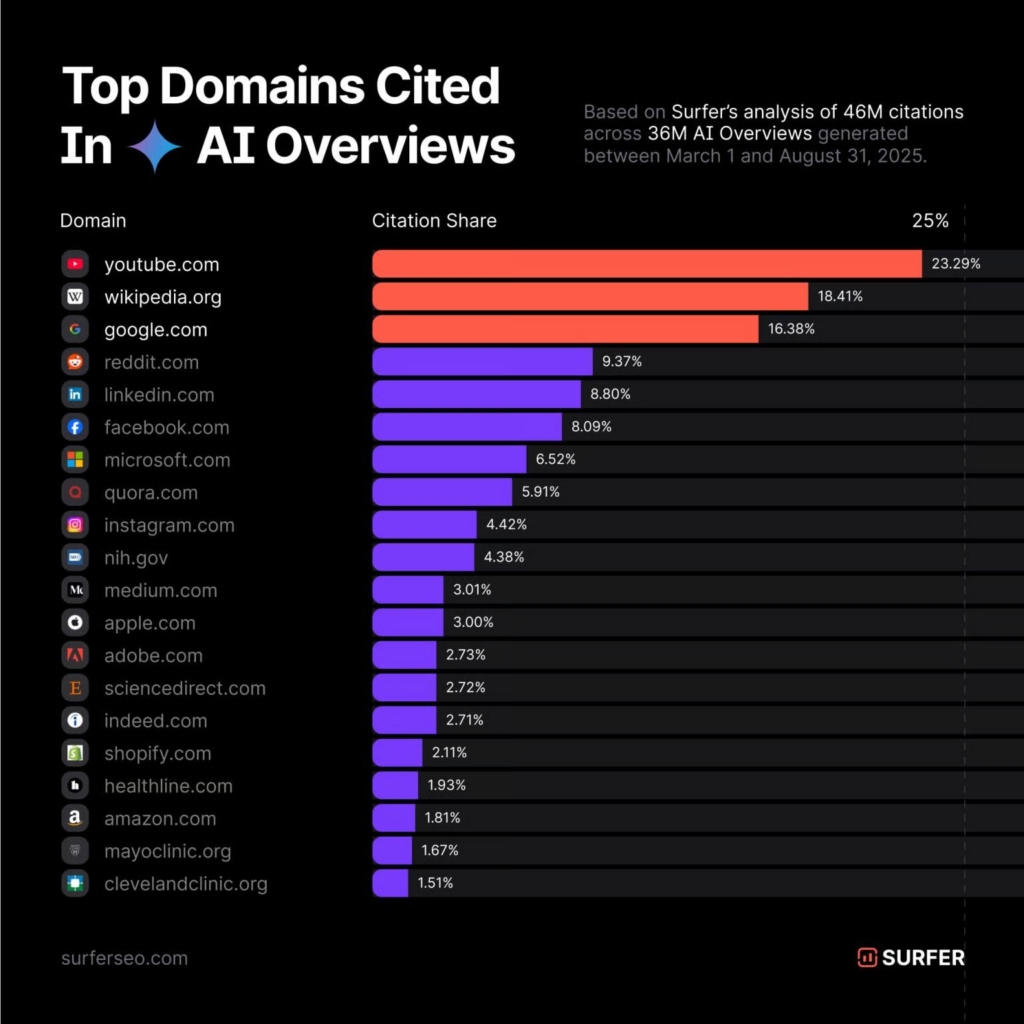
Many SEO pros notice a pattern about sources often included in AI Overviews. Some site types consistently act as trust amplifiers for LLMs, others are mostly ignored even if their SEO metrics look great.
High-impact site types:
- Topical expert blogs and niche media
Sites that publish repeatedly on one subject (e.g., fintech compliance, SaaS analytics, iGaming payments). Even with modest traffic, they reinforce topical authority. - Educational and explanatory resources
How-to hubs, glossaries, industry explainers, research summaries. These are often mined by LLMs when assembling structured answers. - Industry vendor and partner content
Vendor blogs, integration guides, partner case studies — especially when multiple companies reference the same source in a consistent context. - Professional communities and associations
Think trade organizations, standards bodies, expert communities. Their links signal consensus, not promotion. - UGC sites with highly opinionated materials, such as Reddit, YouTube, Medium, or niche UGC sites.
Low-impact (or neutral) site types:
- General news outlets with no topical focus
- Lifestyle media covering a huge array of subjects “occasionally”
- Link roundups, deal lists, generic directories
Example:
A compliance SaaS cited by three niche regulatory blogs will outperform one mentioned once by a global news site (even if it’s huge) in AI Overviews.
How to use AI analytics to choose the right link placements
Choosing potential link placements for AI Overviews is less about filtering metrics and more about testing semantic compatibility. AI analytics lets you do this before you build the link — not after rankings fail.
What to analyze first:
- Topic consistency of the donor
Does the site regularly publish on the same subject area, or is your topic a one-off?
If 80% of the content is unrelated, the link won’t carry semantic weight. - Entity overlap
Compare entities on the donor site and your target page.
If both reference the same products, concepts, standards, people, or processes, that’s a strong signal. - Contextual placement history
Look at how the donor links to others.
Are links embedded inside explanations, guides, and analysis — or dumped into “resources” sections?
Practical example:
Two SaaS blogs, both DR 60.
One publishes deep dives on analytics stacks, BI tools, and data governance.
The other covers “startup growth” broadly.
AI analytics will consistently favor the first, even if the second has more traffic.
Rule of thumb:
If an LLM were asked to summarize this like placement site’s expertise in one sentence, would your topic appear in that sentence?
If not, skip it.
Topic focus and anchor strategy for AI Overviews
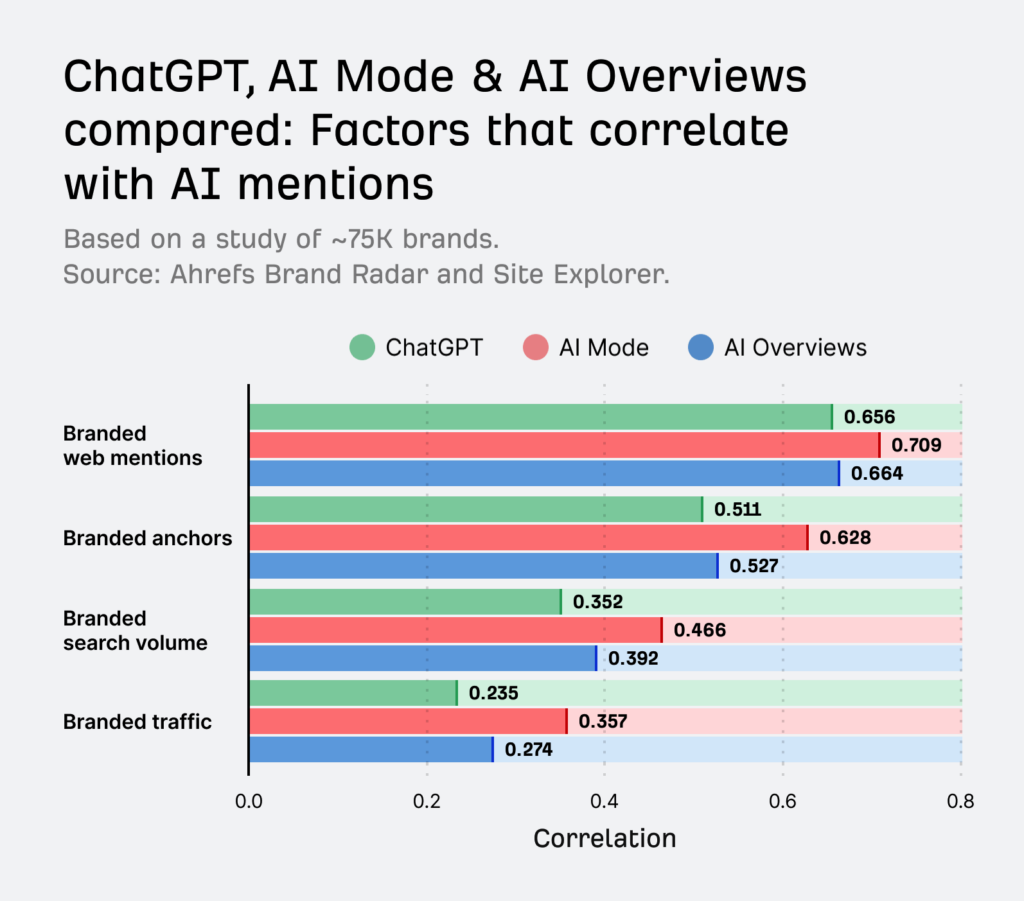
For AI Overviews, anchors don’t need to be optimized in a habitual SEO sense of a word. They need to be descriptive, natural, and semantically useful.
LLMs don’t extract meaning from exact-match anchors the way classic ranking algorithms did. Instead, they evaluate:
- what concept the link refers to,
- how that concept fits the surrounding paragraph,
- and whether the linked page logically supports the statement being made.
What works:
- Context-first anchors
“used in enterprise zero-trust security models”
“a detailed breakdown of payment fraud detection methods” - Entity-reinforcing anchors
Anchors that reference products, standards, or processes already present in the text. - Long-tail, explanatory phrasing
Especially effective in guides, comparisons, and analytical articles — exactly the content AI Overviews pull from.
What doesn’t work:
- Pure keyword anchors (“AI SEO tools”, “best backlink service”)
- Brand-only anchors without context
- Generic CTAs (“read more”, “here”)
Topic strategy tip:
Build links around clusters, not pages.
If multiple donor sites reference you in similar topical contexts, AI models start treating your site as a known source for that subject which dramatically increases the chance of being surfaced in AI-generated answers.
Conclusion:
AI Overviews don’t reward more links, but better evidence.
If your backlinks consistently come from sites that understand your topic, speak the same semantic language, and reference you in meaningful contexts, AI will treat your content as trustworthy input, not background noise.
In short: build links the way you’d build citations for an expert report and Google’s AI will follow.