Backlinks haven’t lost value; low-trust backlinks have.
In 2026, search engines don’t reward volume, shortcuts, or surface-level authority signals. They reward trust built through consistency, context, relevance, and real editorial decisions.
After working on SaaS sites, service businesses, niche publishers, and long-term link cleanup projects, one thing is clear:
A trustworthy backlink is not defined by DR or traffic alone; it’s defined by why the link exists.
Let’s jump in.
Why backlink trust matters more than ever in 2026
Link building was treated like a numbers game for years. More links meant better rankings. Then metrics like DA and DR took over as shortcuts for quality.
That phase is over.
Search engines have become very good at spotting patterns:
- Repeated anchor text
- Similar placements across different sites
- Sudden spikes in links
- Domains built mainly to link out
Instead of judging links in isolation, they now look at context and consistency.
This shift is closely tied to how links are actually earned today.
Did you know?
According to a study, websites that consistently publish blogs receive around 97% more backlinks than those that don’t, largely because ongoing content creates more natural reasons for other sites to reference, cite, and link back over time.
A single low-quality link won’t destroy a site.
But a pattern of untrusted links will slowly cap growth, no matter how strong the content is.
In 2026, backlink trust matters because:
- Rankings are harder to move with brute force
- Penalties are less obvious but more persistent
- Trust compounds slowly and decays quickly
Strong sites grow steadily. Weak link profiles stall.
How search engines define a “trustworthy” backlink today
A trustworthy backlink is not defined by one metric. It’s defined by alignment.
Search engines ask questions like:
- Does this link make sense in context?
- Does the linking site usually reference similar sources?
- Is this page built to inform, or just to link?
- Would a real editor choose this link?
The closer the link is to a real editorial decision, the more trust it carries.
In simple terms, a backlink exists because someone wanted to reference your content, not because they were asked, paid, or incentivised to place a link without care.
Core signals of a trustworthy backlink
A trustworthy backlink isn’t defined by one metric or shortcut. It’s built on a combination of signals that show the link exists for real value, not manipulation.
1. Editorial intent and natural placement
Editorial intent is the strongest trust signal.
A link is trustworthy when:
- It sits naturally within a paragraph
- It supports a specific point or claim
- It feels written for readers, not algorithms
You can usually spot low-trust links instantly:
- Awkward sentence structures
- Forced keywords
- Links that add no real value
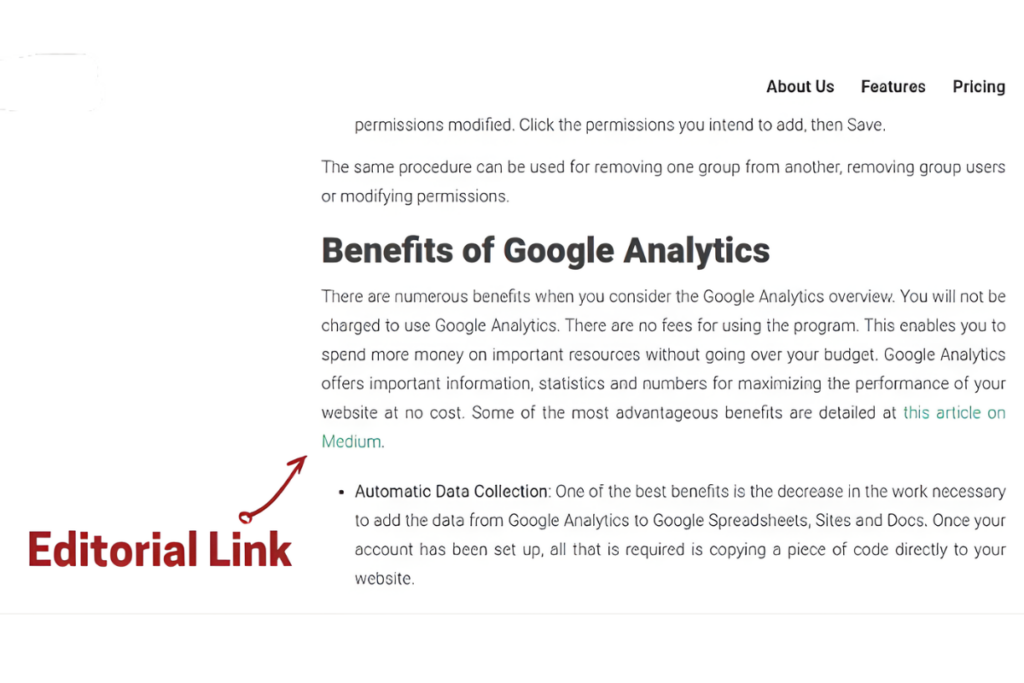
A simple test works well: If you remove the link and the sentence still works perfectly, the link isn’t essential and likely isn’t very strong.
High-trust links are woven into the meaning of the content.
2. Topical relevance and semantic consistency
Relevance today goes far beyond matching keywords.
Search engines understand topics, subtopics, and the relationships between them. A trustworthy backlink, whether it’s earned organically or placed as a niche edit, usually comes from
- The same industry
- A closely related niche
- A problem-solving context that overlaps with yours
For example:
- A SaaS analytics tool linked from growth, marketing, or product blogs makes sense
- The same tool linked from unrelated lifestyle or coupon sites does not
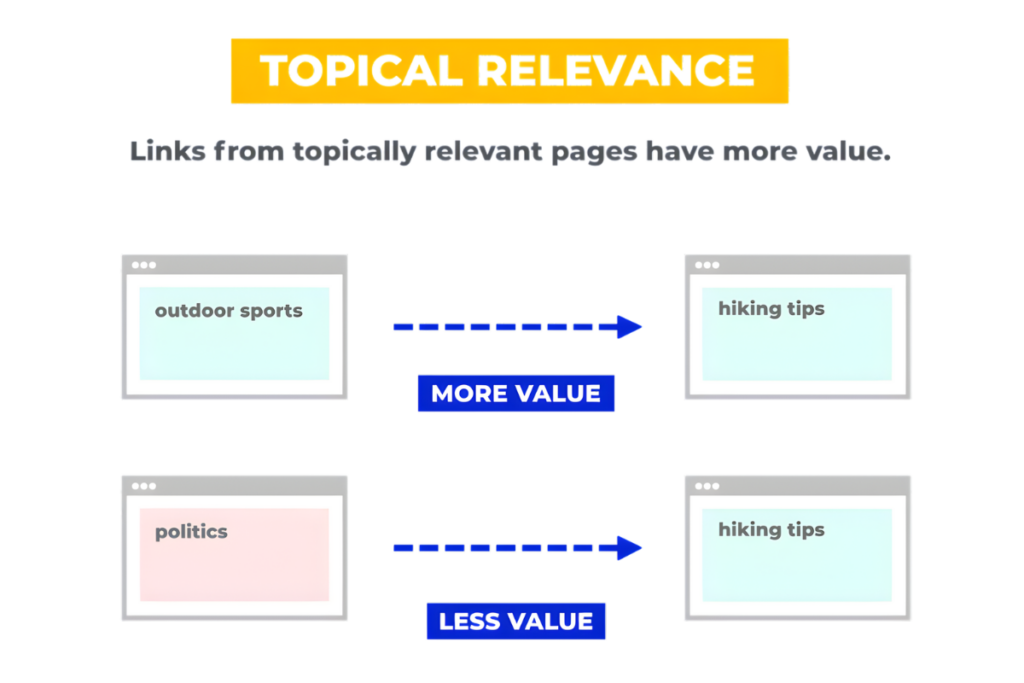
The more often a site writes about a topic, the more weight its links carry in that area.
3. Anchor text naturalness
Anchor text is still important, but it’s also one of the easiest signals to overdo.
In a genuine link, the anchor usually feels like part of the sentence, not a keyword choice made in isolation.
Trustworthy anchor text:
- Uses brand names naturally
- Includes partial phrases
- Matches the surrounding sentence
Untrusted anchor patterns often look like:
- Repeated exact-match keywords
- Commercial phrases with no context
- Identical anchors across multiple sites
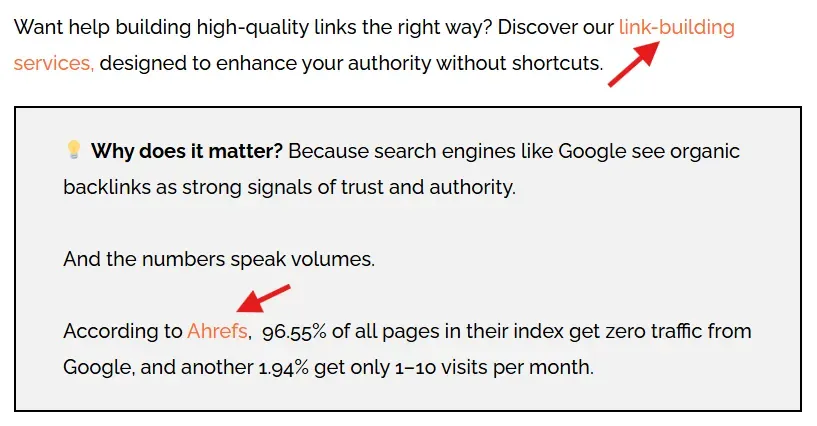
In real editorial writing, people rarely repeat the same phrasing again and again. Search engines expect the same natural variation.
4. Outbound link quality of the linking site
Who a site links to says a lot about its standards.
Trusted sites:
- Link out selectively
- Reference credible sources
- Stay within their topic area
Untrusted sites:
- Link to many unrelated industries
- Publish content mainly to sell placements
- Mix legitimate links with risky niches
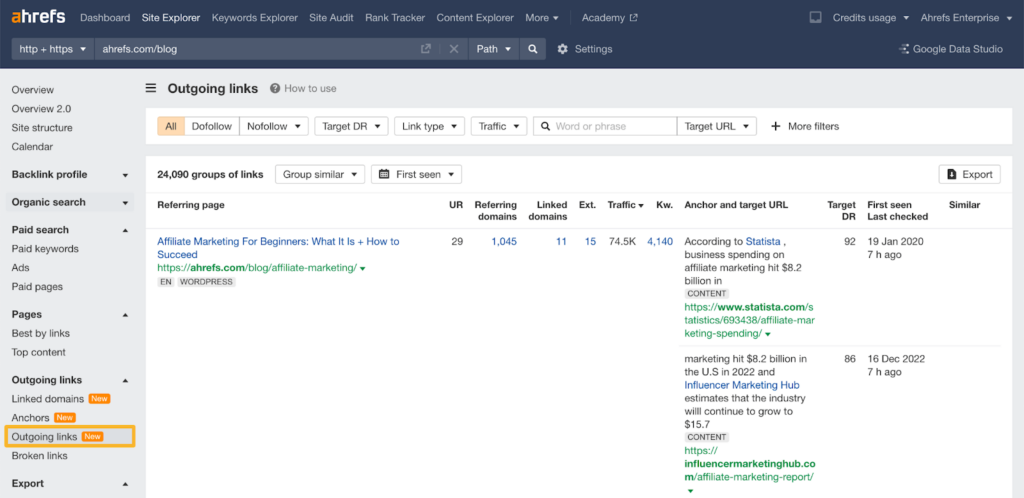
Even if your link looks fine, being surrounded by poor-quality outbound links weakens the overall trust passed.
Domain-level trust signals that strengthen backlinks
Even a well-placed link can underperform if it comes from a weak domain. Domain-level trust signals help search engines decide whether a site deserves long-term credibility.
Content quality and publishing patterns
Trust starts at the domain level. High-trust domains usually show:
- Original content, not rewrites
- Consistent publishing schedules
- Depth across related topics
Low-trust domains often:
- Publish thin articles
- Cover unrelated topics
- Exist mainly to host links
Search engines don’t need perfection. They look for intent. Sites built to help readers earn trust over time.
Historical stability of the domain
Search engines remember. Domains that build trust typically:
- Keep the same topic focus for years
- Avoid sudden rebrands or pivots
- Show steady growth
Warning signs include:
- Frequent ownership changes
- Major topic shifts
- Sudden increases in outbound links
Even if a site looks clean today, its history matters.
Traffic quality and visibility signals
Traffic alone doesn’t equal trust, but patterns do.
Positive signals:
- Stable organic search traffic
- Rankings for informational queries
- Long-tail keyword visibility
Negative signals:
- Traffic spikes with no ranking footprint
- Heavy reliance on paid or referral traffic
- Mismatched geography and language
A site with modest but consistent organic traffic often passes more trust than a site with inflated numbers.
Page-level signals that influence backlink trust
Beyond the domain itself, search engines closely evaluate the specific page where a backlink appears to decide how much trust it can pass.
Content depth and user intent match
Not all pages are equal. Trustworthy links usually sit on pages that:
- Solve a specific problem
- Go beyond surface-level explanations
- Show expertise or experience
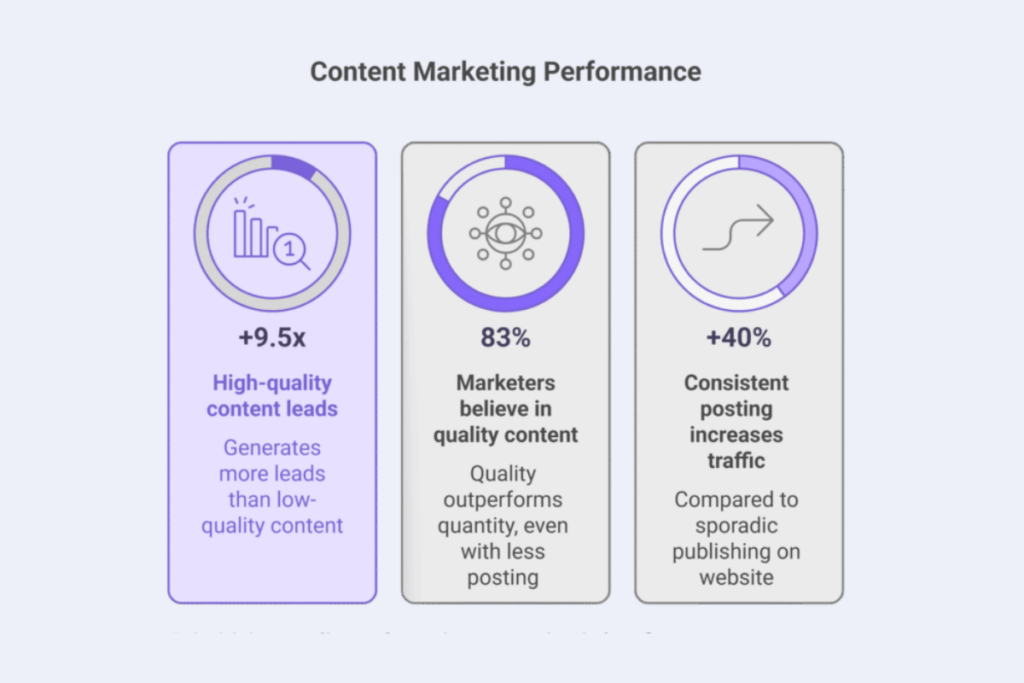
Pages built only to host links, such as generic listicles with no insight, carry less weight unless they genuinely add value.
Internal linking and page authority flow
Pages that are part of a strong internal structure inspire more trust.
Look for:
- Internal links from related articles
- Logical placement within site categories
- Clear topical clusters
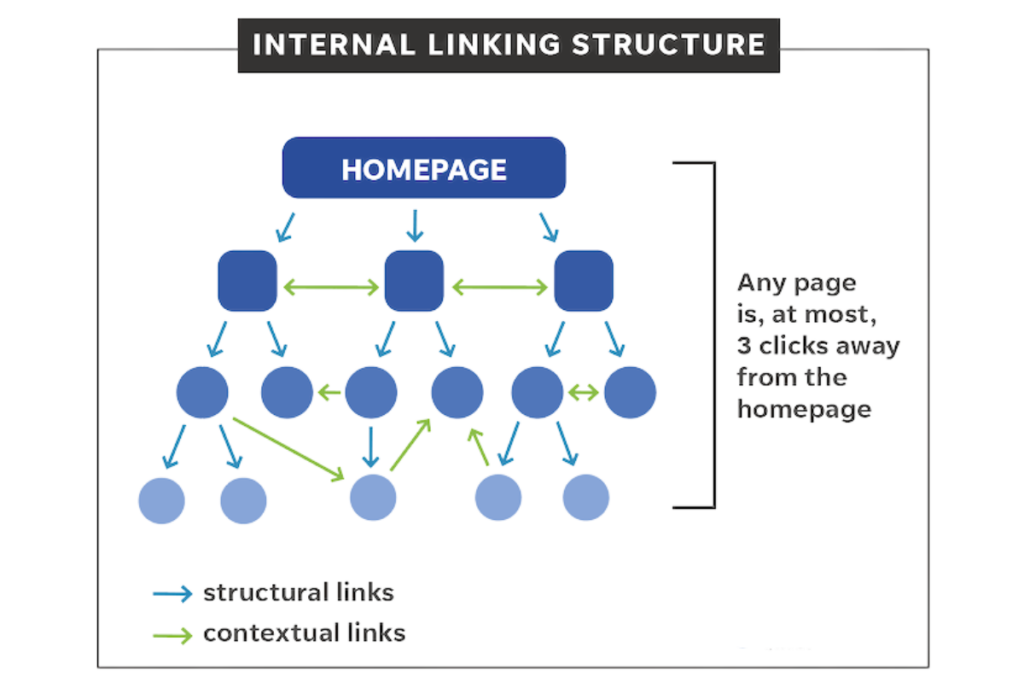
Quick insight:
HubSpot explains that internal links help search engines find and crawl other pages on your site and show semantic relationships between content. Recommends including 2–4 relevant internal links per blog post to maximize site structure and authority distribution.
Orphaned pages, even on good domains, often pass limited trust because they lack internal validation.
Link profile patterns that indicate trust
When you step back and analyse an entire backlink profile, clear patterns emerge that signal whether links were earned steadily or built to manipulate rankings.
Natural link velocity
Trust grows gradually. Healthy link profiles show:
- Steady acquisition over time
- Growth aligned with content publishing
- No sudden unnatural spikes
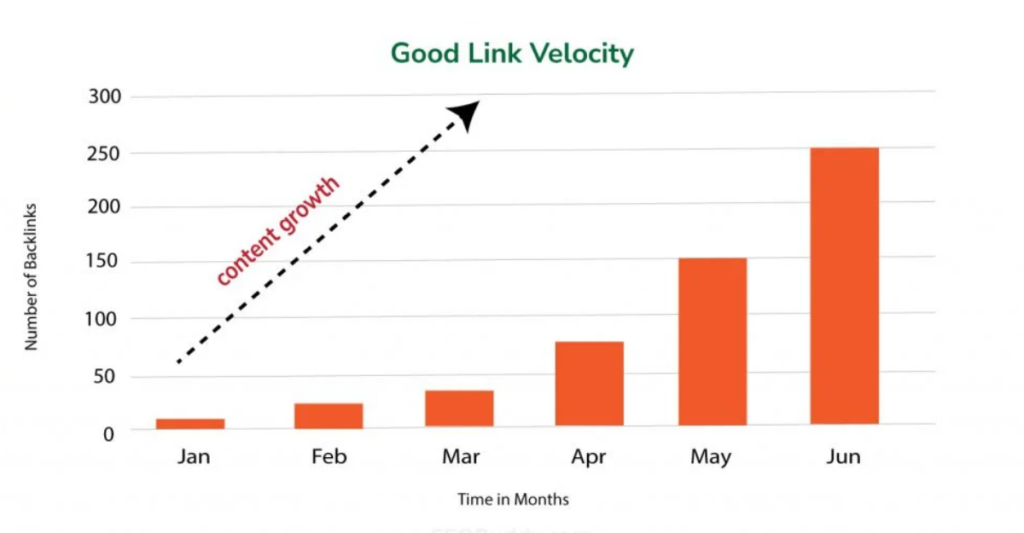
Rapid bursts of links, especially with similar anchors or placements, often signal manipulation.
Slow growth is not a weakness. It’s usually a sign of stability.
Link diversity and source variety
Trusted sites earn links from different sources:
- Blogs
- Industry publications
- Resource pages
- Brand mentions
When most links come from the same type of site or the same tactic, trust drops.
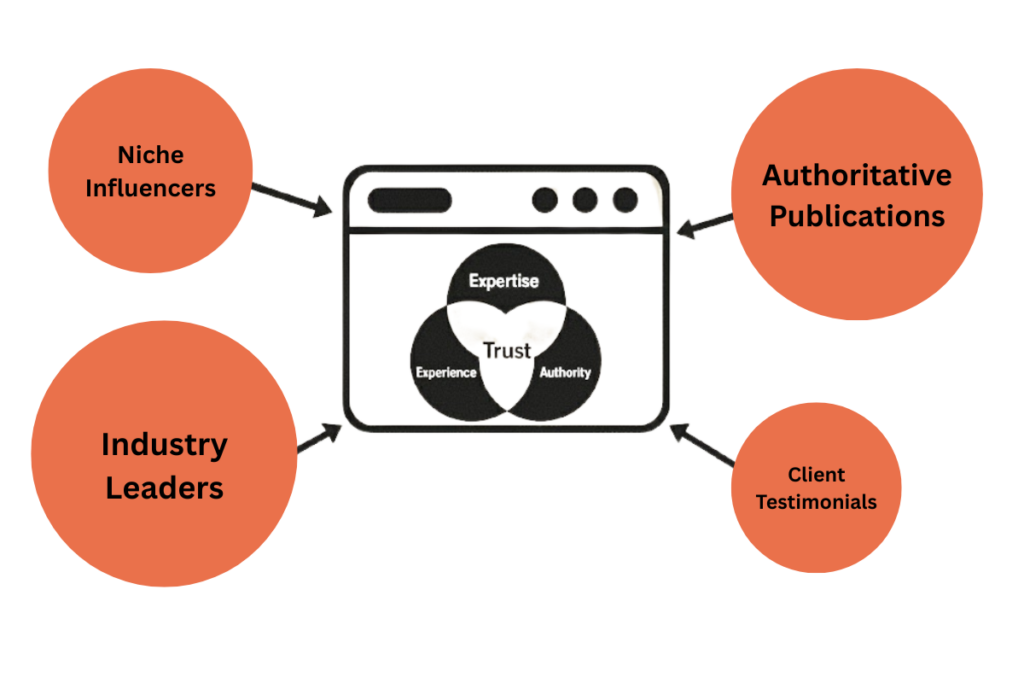
Diversity looks natural. Repetition looks manufactured.
Paid links vs earned links: trust differences in 2026
Below are the core trust-based differences between paid and earned links in 2026.
| Aspect | Paid Links | Earned Links |
| When they pass trust | Can pass trust when the site maintains editorial control and the link genuinely supports the content | Pass trust naturally because the link exists due to real value, usefulness, or reference |
| Editorial control | Varies widely, strong on editorial sites, weak or absent in link-selling networks | High editors or writers decide to link based on relevance and usefulness |
| Placement style | Can be contextual and natural, but often risks forced or SEO-driven placement | Naturally integrated within the content flow |
| The intent behind the link | Often influenced by promotion or payment, but can still be reader-focused | Driven by genuine recommendation, citation, or mention |
| Disclosure signals | Trust depends on transparency, context, and how the link is introduced | No disclosure needed because the link is organically earned |
| Risk level | Medium to high if part of networks, repeated anchors, or scaled placements | Low risk due to natural acquisition and diverse linking patterns |
| Long-term stability | Stable only when placed on high-quality, editorially controlled sites | Highly stable and resilient to algorithm updates |
Backlink trust evaluation checklist (before building or buying)
Use this before building or approving any backlink:
- Is the site topically relevant?
- Does the content genuinely support the link?
- Would the link exist without SEO motivation?
- Is the anchor natural for the sentence?
- Does the site link out selectively?
- Is the traffic stable and search-driven?
- Is the site’s history consistent?
If several answers are “no,” the link may still exist, but it won’t move rankings meaningfully.
Why do fewer high-trust links outperform large link volumes
Search engines don’t average link quality; they weigh intent and consistency. A handful of high-trust links from relevant, editorially sound pages sends a much clearer signal than dozens of weak placements spread across low-quality sites.
Across many campaigns, a clear pattern appears:
- A small number of strong links improves rankings faster
- Excess low-quality links dilute trust
- Cleanup often helps more than a new acquisition
Trust compounds. Spam cancels itself out. One strong editorial link can outperform dozens of average ones over time.
Final takeaway
A trustworthy backlink exists for one clear reason: it helps the reader. If a link is relevant, editorially placed, contextually sound, and comes from a credible site with consistent behaviour, it will continue to carry value long after algorithms change.
Chasing volume, templates, or quick wins may create short-term movement, but trust-driven links are what protect rankings and support long-term growth.
In 2026, the goal isn’t to build more links; it’s to build links you’d confidently defend as genuine recommendations.




![Real Estate Link Building [2025]](https://serpzilla.com/blog/wp-content/uploads/2024/03/The-Best-Real-Estate-Link-Building-Strategies-for-2024-1.png)